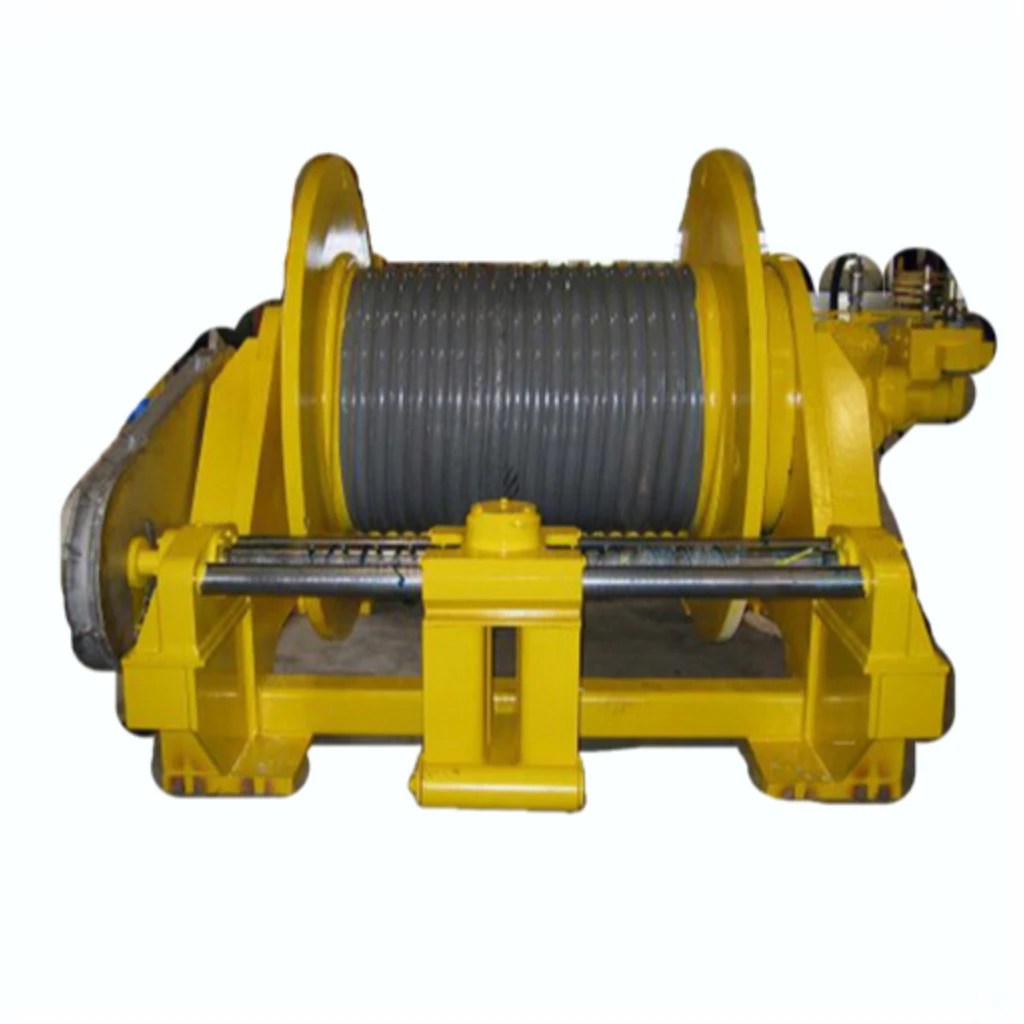
Industrial Lifting Solutions: High-Performance electric cable winch for Ecuador

Optimizing heavy-duty hoisting and material handling across Ecuador's diverse industrial landscapes, from Guayaquil ports to Andean mining sites.

Industrial Lifting Solutions: High-Performance electric cable winch for Ecuador

Providing robust, precision-engineered hoisting equipment designed to withstand the high humidity of the coast and the extreme altitudes of the Ecuadorian Andes.

Current State of Lifting Machinery in Ecuador

Analyzing the operational challenges and infrastructure demands of the Ecuadorian lifting sector.

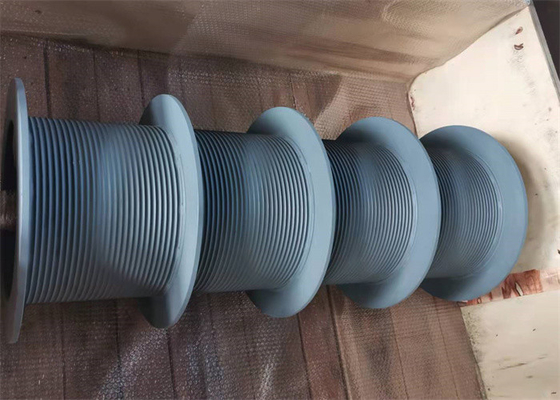
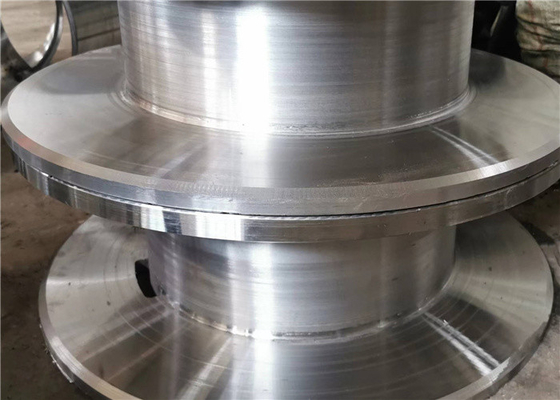
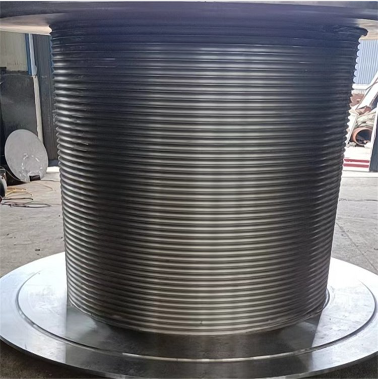
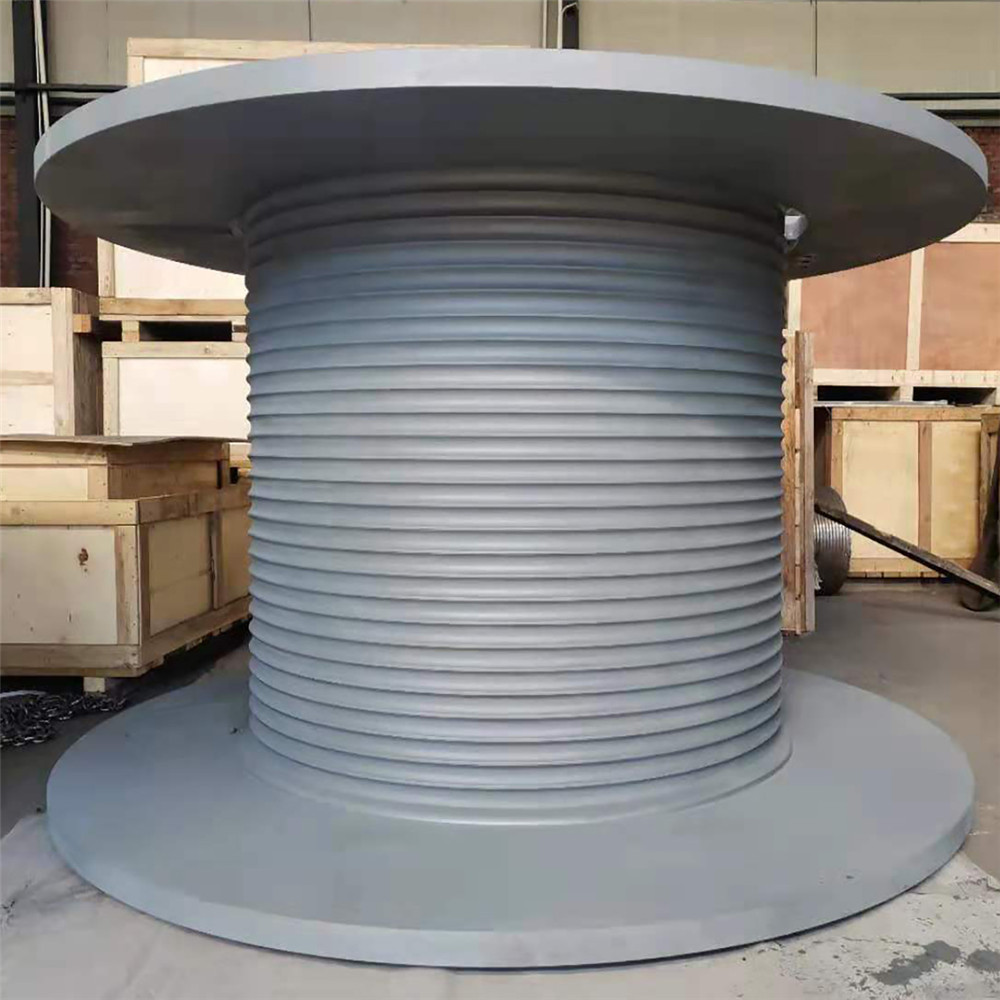
In Ecuador, the lifting industry is heavily fragmented between the coastal trade hubs and the highlands. The high salinity in port cities like Guayaquil necessitates a specialized winch drum with superior anti-corrosion coatings to prevent premature degradation caused by the maritime environment.

In the Andean regions, the focus shifts to high-altitude reliability. Power fluctuations in remote mining sites often compromise the efficiency of a standard electric winch, driving a demand for equipment with voltage stabilization and high-torque capabilities to handle heavy ore loads.

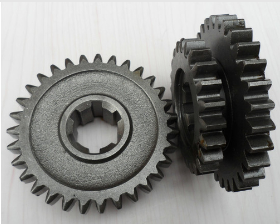
Furthermore, the lack of standardized maintenance protocols across smaller manufacturing plants has led to an increase in wear and tear on critical components. There is a growing trend toward upgrading to premium aluminum bevel gears to reduce weight while maintaining structural integrity and operational efficiency.
Evolution and Technological Trajectory

From manual hoisting to automated intelligent lifting systems.

Market Development History

Before the late 1990s, the Ecuadorian market relied heavily on imported second-hand mechanical winches. These systems were durable but lacked precision, often causing significant downtime during critical operations in the oil and banana export industries.

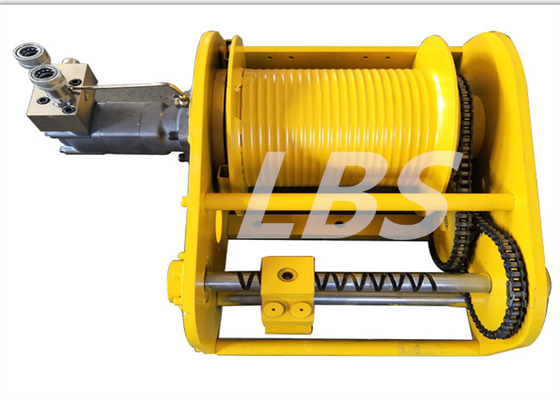
Between 2005 and 2015, there was a significant shift toward electrification. The adoption of the electric cable winch became widespread, allowing for safer, remote-controlled operations that reduced workplace accidents in steep terrain logistics.

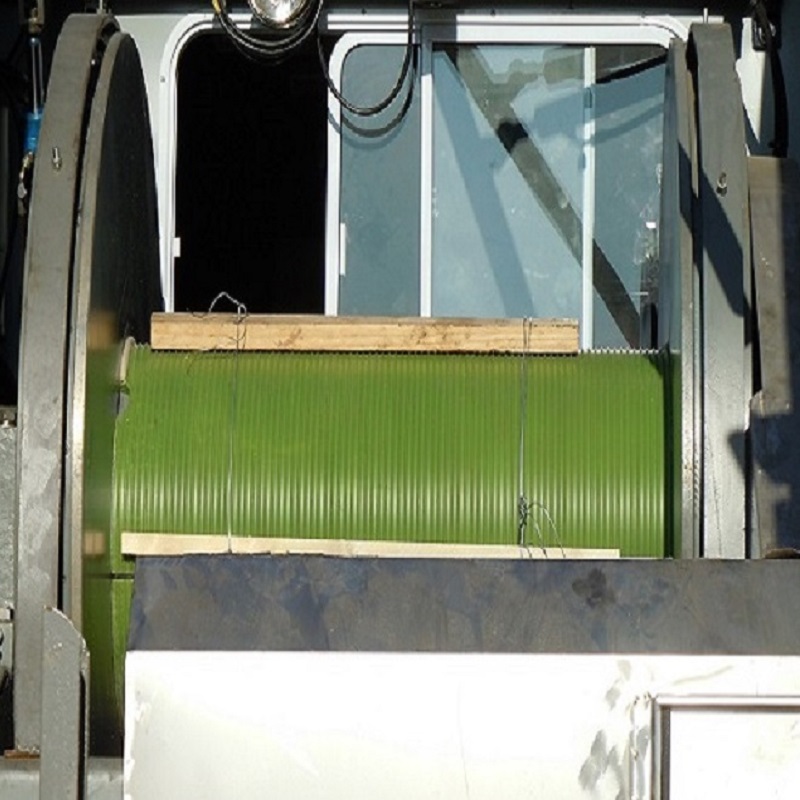
From 2016 to the present, the focus has evolved toward material science. The industry has seen a transition from heavy cast iron components to lightweight, high-strength alloys and the implementation of synthetic crane winch rope to enhance load capacity and safety factors.

Future Development Trends

IoT Integration and Predictive Maintenance

Integration of sensors into the drum and motor to monitor tension and wear in real-time, reducing unexpected failures in remote Ecuadorian sites.

Energy-Efficient Drive Systems

Transitioning toward variable frequency drives (VFD) to optimize power consumption and provide smoother acceleration and deceleration of loads.

Eco-Friendly Material Adoption

Increased use of recyclable alloys and biodegradable lubricants to comply with stricter environmental regulations in the Galápagos and Amazon basin areas.

Industry Trends and Future Outlook

Strategic foresight into the lifting and hoisting machinery landscape.

Digital Twin Modeling
Utilizing virtual models to simulate stress on the winch drum before actual deployment in challenging terrains.
Modular Component Design
Designing swappable gear sets and motors for rapid field repair in remote Andean locations.
High-Strength Alloy Integration
Expanding the use of aeronautical-grade materials to increase the safety factor of cable winches.
Automation and AI Control
AI-driven load balancing systems to prevent rope slippage and drum misalignment during operation.

Industry Outlook

Based on Google search trends for "industrial automation" and "heavy lifting" in Latin America, we anticipate a 15% annual growth in demand for smarter lifting equipment. Ecuador is specifically pivoting toward integrated systems that combine hoisting with logistics software.

The future will be defined by "Smart Hoisting," where the hardware is merely the executor of a data-driven plan, ensuring maximum safety and minimum energy waste in the transport of heavy machinery.

Localized Application Scenarios in Ecuador

Practical implementations of lifting technology in regional key industries.

01. Guayaquil Port Cargo Handling

Deployment of heavy-duty winches with corrosion-resistant drums for loading and unloading maritime containers and bulk shipments in high-humidity environments.

02. Andean Mining Infrastructure

Utilization of high-torque electric winches for extracting ores and transporting equipment across steep, rocky terrains in the highlands.

03. Oil and Gas Pipeline Installation

Precision cable winches used for the controlled placement of pipeline segments in the Amazonian rainforest, where accessibility is limited.

04. Banana Plantation Logistics

Lightweight lifting systems for the movement of heavy packaging machinery and facility maintenance in large-scale agricultural estates.

05. Quito Urban Construction

High-rise building construction utilizing advanced crane rope systems for the safe vertical transport of prefabricated structural elements.

Brand Story

Global Development History of Shijiazhuang Junzhong Machinery Manufacturing Co., Ltd.

Foundation and Local Mastery

Starting as a specialized workshop, we focused on solving the core pain point of mechanical inefficiency in heavy lifting, establishing our reputation for durability.

Technological Pivot

We transitioned to precision electrical engineering, introducing high-efficiency motors and alloy gear systems to the industrial market.

Global Standards Certification

Achieving international quality certifications allowed us to export our lifting solutions to demanding markets across South America and Asia.

Customization Era

We developed the capability to tailor equipment for extreme environments, such as the high-altitude and high-salinity conditions of Ecuador.

Vision for Sustainable Lifting

Today, we lead the industry in energy-efficient hoisting, ensuring that global progress does not come at the expense of the planet.

Frequently Asked Questions in Ecuador

Expert answers to common technical and logistical queries.

How to choose the right electric winch for high-altitude mining in the Andes?

For high-altitude operations, you should prioritize winches with derated motors that handle lower air density for cooling and integrated voltage regulators to manage power instability.

What is the best maintenance cycle for a winch drum in coastal Guayaquil?

Due to high salinity, we recommend a bi-weekly inspection and lubrication cycle using marine-grade grease to prevent corrosion and ensure smooth cable winding.

Can aluminum bevel gears replace steel gears in heavy-duty applications?

Yes, our high-strength aluminum bevel gears are designed for specific torque profiles that offer a significant weight reduction without sacrificing the required load-bearing capacity.

How often should I replace the crane winch rope for safety compliance?

Rope replacement should occur based on wear patterns (broken wires) or every 12-24 months depending on the intensity of use and the environmental conditions of the site.

Are electric cable winches compatible with Ecuadorian industrial voltage standards?

Our equipment is fully customizable to meet the 120V/240V or 3-phase industrial power requirements standard across different regions of Ecuador.

What safety certifications are included with your hoisting equipment?

All our products undergo rigorous testing and comply with international ISO and CE safety standards, ensuring reliable operation for heavy industrial loads.

Ready to Upgrade Your Lifting Capacity?

Our engineering team is ready to provide customized hoisting solutions for your projects in Ecuador.

Contact Us Now

If you are interested in our products, you can choose to leave your information here, and we will be in touch with you shortly.