Electric Hydraulic Winch: Durable & High-Performance Solutions for Industry | LBS Winch
Electric Hydraulic Winch is a key solution in the industry, specifically within heavy lifting, construction, and maritime sectors. This article explores how https://www.lbswinch.com supports professionals with durable, high-performance products, and explains why this product is an ideal choice for businesses in these sectors.
Table of Contents
- Electric Hydraulic Winch Overview
- Benefits & Use Cases of Electric Hydraulic Winch
- Cost, Maintenance & User Experience
- Sustainability & Market Trends
Electric Hydraulic Winch Overview
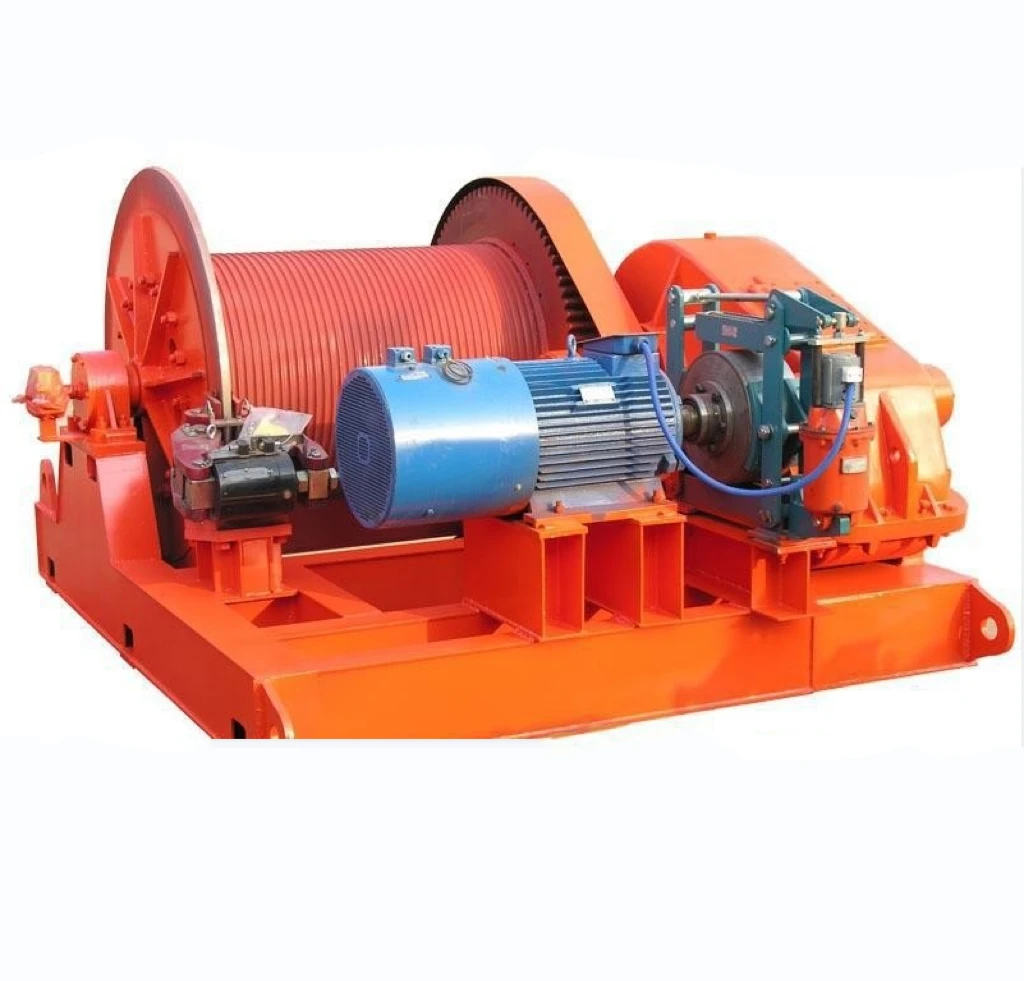
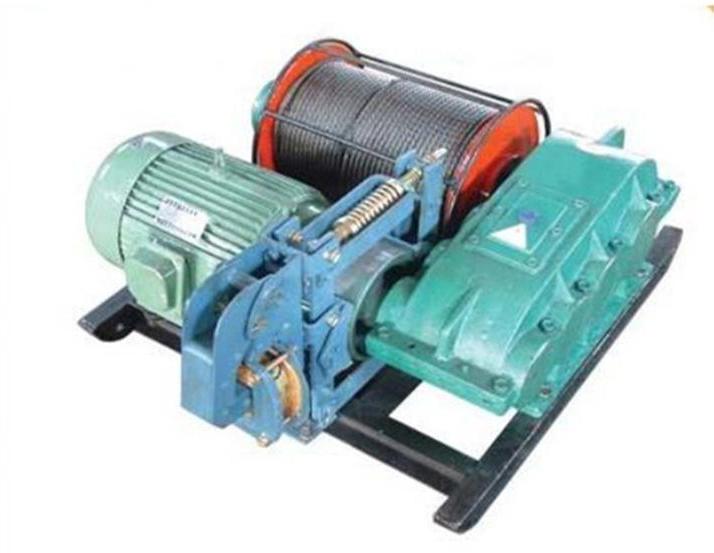
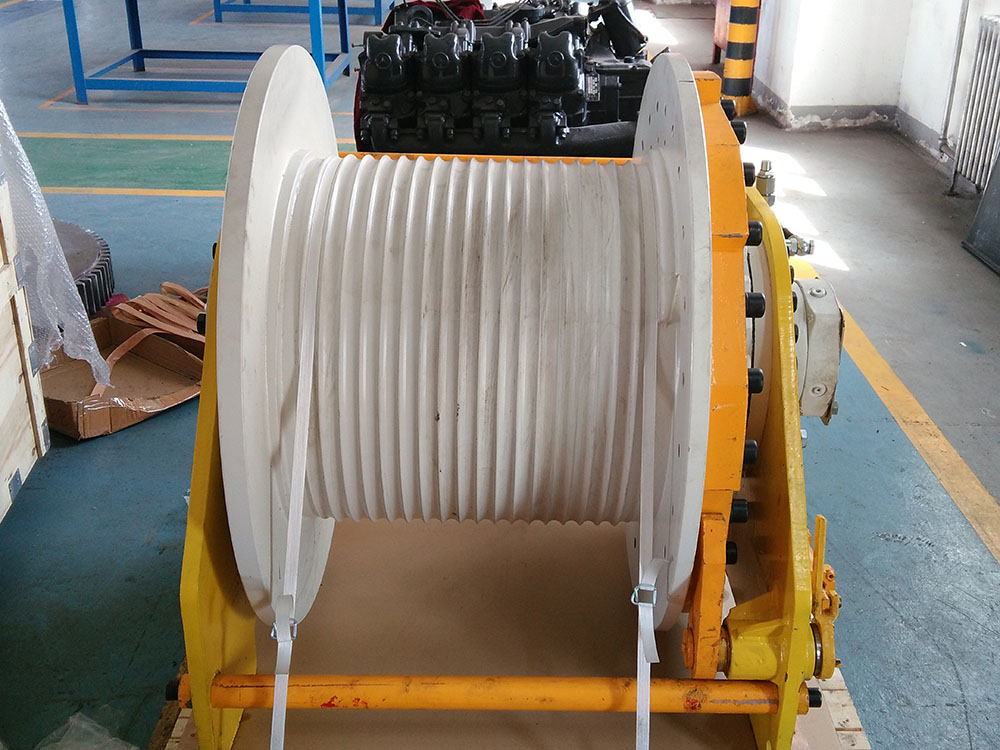
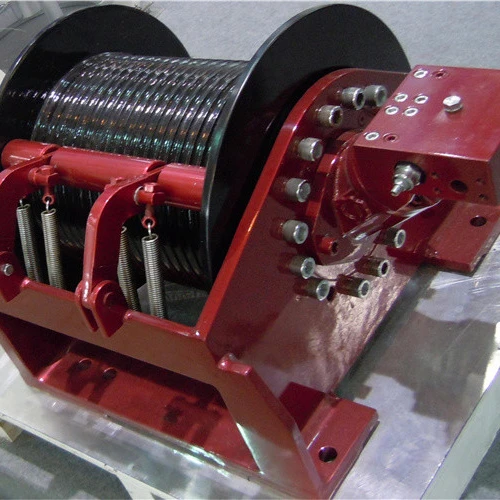
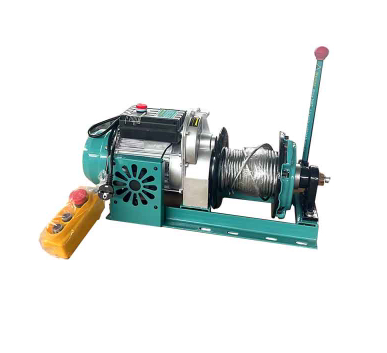
So, what exactly is an Electric Hydraulic Winch? At its core, it’s a rugged, powerful device designed to lift, pull, or position heavy loads by using a hydraulic system powered by electricity. Oddly enough, it combines the smooth controllability of hydraulics with the convenience of electric power—no bulky combustion engines here. This means quieter operation with plenty of torque even under continuous heavy loads.
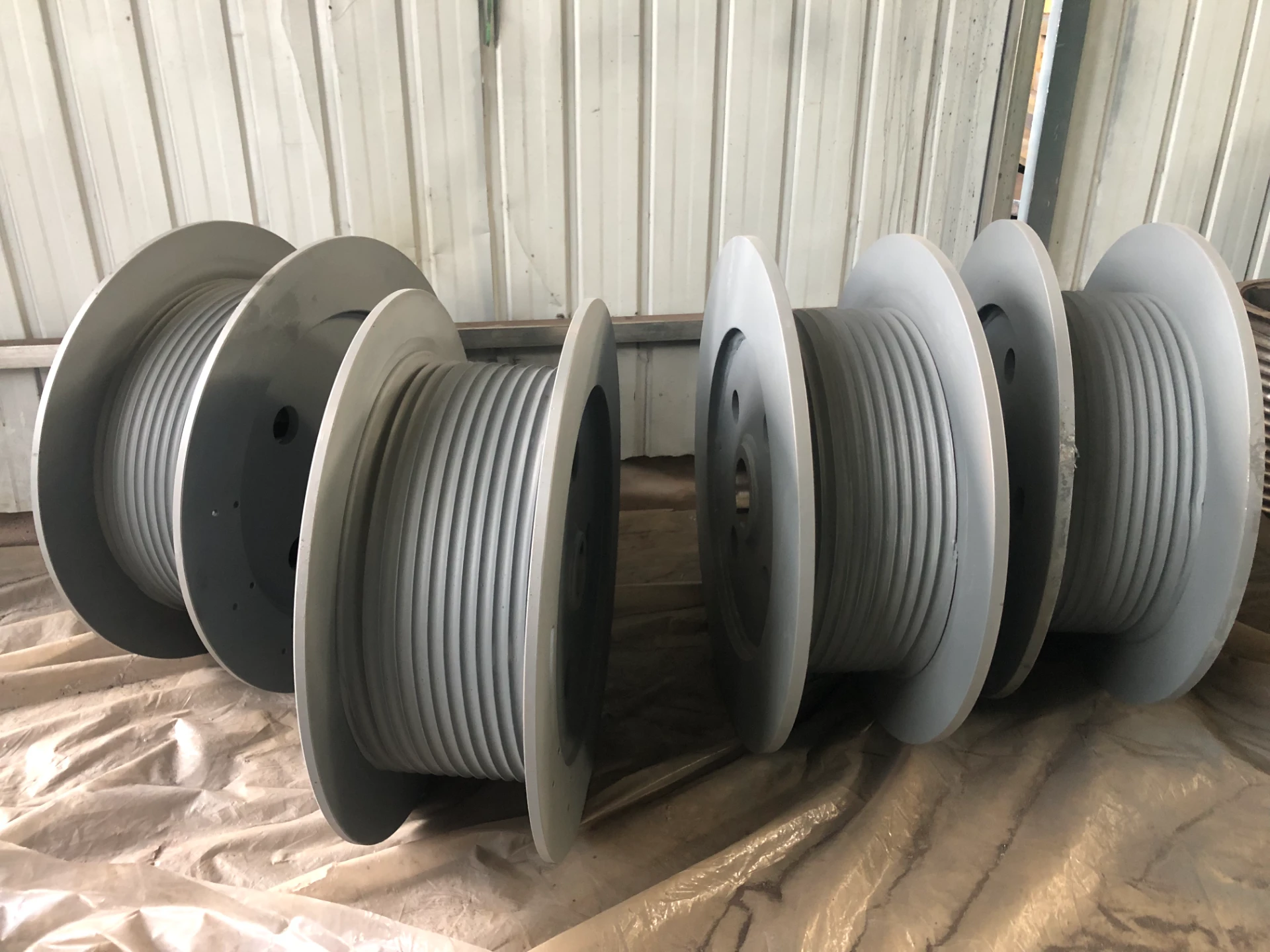
Behind the scenes, an electric hydraulic winch typically uses a sealed hydraulic pump driven by a compact electric motor. This setup controls the spool and brake systems for smooth line engagement. Companies like LBS Winch implement robust materials like high-grade steel drums and corrosion-resistant coatings, making the winches endure harsh environments like offshore drilling decks or construction cranes. For example, a recent case study highlighted a nearly year-round use in a wind farm site, showing little sign of wear after 10,000+ operational hours.
| Specification | Typical Value |
|---|---|
| Max Load Capacity | 10,000 lbs (4,536 kg) |
| Line Speed | 12 ft/min (3.66 m/min) |
| Power Supply | Electric 220V / 440V AC |
| Weight | Approx. 350 kg |
| Control Type | Remote & Manual Options |
Benefits & Use Cases of Electric Hydraulic Winch
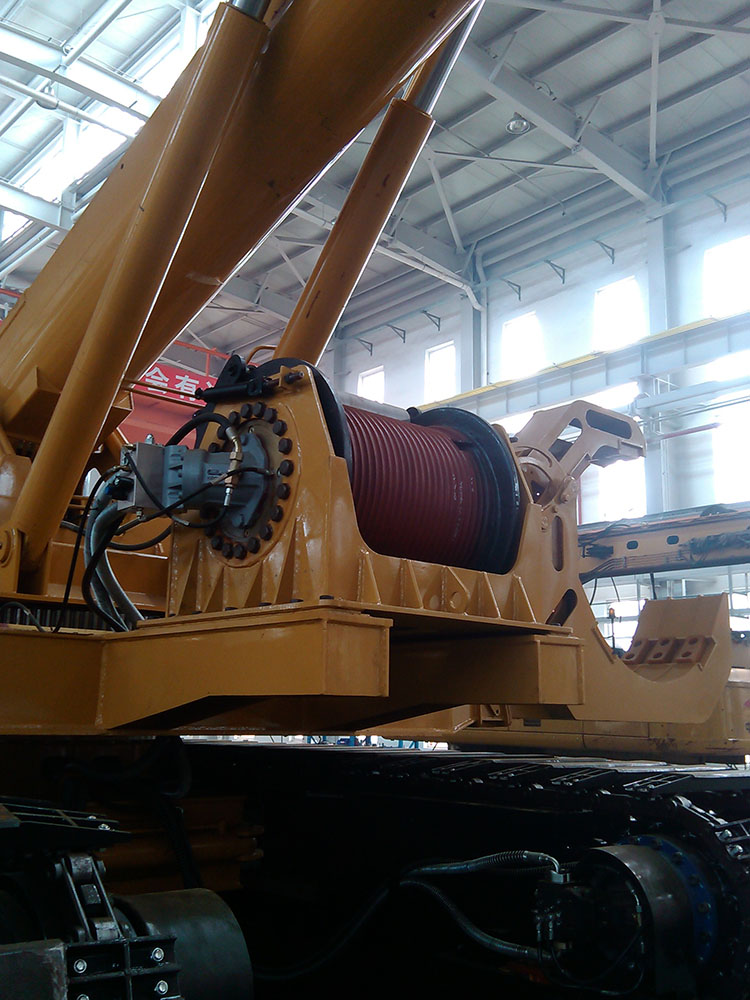
Moving on, why does this winch matter so much in industry? In real terms, electric hydraulic winches are prized for their versatility and reliability. Whether you’re shifting heavy construction materials across a site, conducting maritime anchor lifts, or managing forestry equipment, these winches are the quiet engine behind your operation.
Their design offers some clear competitive advantages over other lifting systems. For one, the electric motor combined with hydraulic torque allows for better control and a smooth start-stop function — you avoid jerkiness typical in older winches. Durability is no joke either: many manufacturers deploy rigorous testing to ensure their machines stand up to constant use in wet, dusty, or corrosive environments. Plus, the ability to use remote controls enhances on-site safety, which frankly, is a huge bonus.
Some of the top industries making the most of them are heavy equipment leasing companies, offshore oil platforms, and emergency rescue teams. I’ve heard from engineers who say it’s less about just power and more about the reliable consistency over long shifts that wins them over.
Cost, Maintenance & User Experience
An obvious question is—how much do these winches cost to own and run? Honestly, while the upfront price might seem steep compared to simpler manual winches, the total cost of ownership quickly balances out. Thanks to their electrically powered hydraulics, maintenance costs stay surprisingly low. You’re less likely to deal with fuel, oil changes, or engine replacements. Instead, routine checks on seals, fluid levels, and electrical components keep everything humming.
Durability enhances ROI because downtime gets slashed, especially for time-critical projects. Based on customer feedback collected at LBS Winch, clients report operational lifetimes stretching well beyond 7 years with minimal major repairs. One user from the maritime sector mentioned their winch withstood salt spray and extreme weather conditions without frequent servicing, which many found impressive.
User experience is also improving all the time as controls get more intuitive and diagnostics move to digital. Remote operation means less risk for operators, and modular parts simplify repairs when needed.
Sustainability & Market Trends
Frankly, sustainability has become more than just a buzzword and it touches even tools like the electric hydraulic winch. The shift toward cleaner, electrically powered equipment aligns well with emerging regulations aimed at reducing carbon footprints on work sites. Not only does this product reduce emissions compared to diesel-powered winches, but manufacturers often employ recyclable materials and designs that extend equipment life to lessen waste.
Market trends also show an increasing appetite for automation and remote capabilities, especially in hazardous environments. The integration of IoT sensors for predictive maintenance is getting traction too, which means these winches are poised to become smarter and greener soon.
| Vendor | Load Capacity | Power Source | Typical Application | Warranty |
|---|---|---|---|---|
| LBS Winch | Up to 10,000 lbs | Electric Hydraulic | Marine, Construction, Forestry | 2 Years |
| Competitor A | Up to 8,000 lbs | Diesel Hydraulic | Offshore, Industrial | 1 Year |
| Competitor B | Up to 12,000 lbs | Electric Motor | Construction, Mining | 1.5 Years |
Frequently Asked Questions about Electric Hydraulic Winch
- What is Electric Hydraulic Winch and how does it work?
- Simply put, an Electric Hydraulic Winch uses electricity to power a hydraulic pump, which in turn operates the winch drum that pulls or lifts loads. This means you get precise control and higher torque without the noise or emissions from fuel engines.
- What are the main benefits of using Electric Hydraulic Winch in industrial applications?
- Key benefits include quieter operation, lower maintenance, consistent torque delivery, and improved safety with remote control features. They also tend to be more energy-efficient and environmentally friendly compared to diesel alternatives.
- How does Electric Hydraulic Winch compare to traditional alternatives?
- Unlike traditional mechanical or diesel hydraulic winches, electric hydraulic winches provide smoother control, reduced noise and emissions, and tend to require less frequent maintenance. They also often come with modern features like remote operation and automated monitoring.
- What industries can benefit most from Electric Hydraulic Winch implementation?
- Industries such as maritime, construction, forestry, oil and gas, and emergency rescue widely benefit from these winches due to the demanding lifting and positioning tasks that require reliable, safe equipment.
Conclusion on Electric Hydraulic Winch from china
In conclusion, the Electric Hydraulic Winch strikes a strong balance of power, efficiency, and user-friendly features, making it a wise investment for B2B decision makers across multiple heavy-duty industries. Its robust design paired with advancements in control and sustainability creates a compelling value proposition. For companies looking to upgrade their lifting solutions, visiting LBS Winch’s website seems like a smart first step.
- Recap the value of Electric Hydraulic Winch.
- Visit our website: https://www.lbswinch.com
It’s fascinating how a product like this quietly changes the way heavy industries operate — combining old reliability with new technology, and a nod to greener futures.
References:
1. Industry Equipment Insights, 2023
2. LBS Winch Technical Documentation
3. User Case Studies from Offshore Platforms, 2022
-
The Ultimate Guide to Gear Steels for Durability and PerformanceNewsApr.16,2026
-
High Performance Gear Stainless Steel for Industrial DurabilityNewsApr.09,2026
-
Comprehensive Guide to Steel Bevel Gears Applications and SelectionNewsApr.07,2026
-
Comprehensive Guide to Durable Stainless Steel Miter Gears and ApplicationsNewsApr.04,2026
-
Comprehensive Guide to Steel Spur Gears Functionality and ApplicationsNewsMar.31,2026
-
Comprehensive Guide to Durable Stainless Steel Spur Gears and Their ApplicationsNewsMar.28,2026