Double Drum Winch for High Mast: Essential Guide and Global Applications
Understanding the Double Drum Winch for High Mast: Key to Precise, Reliable Lifting
When it comes to lifting and lowering heavy equipment, precise control is often the difference between success and costly setbacks. The double drum winch for high mast stands out as a vital piece of machinery designed to address these exact challenges—be it in construction, telecommunications, or emergency relief operations. Why does this matter globally? As infrastructure projects grow taller and more complex, and rapid deployment in disaster zones becomes critical, having robust, reliable winching systems isn’t just a nice-to-have; it’s an essential piece of the puzzle.
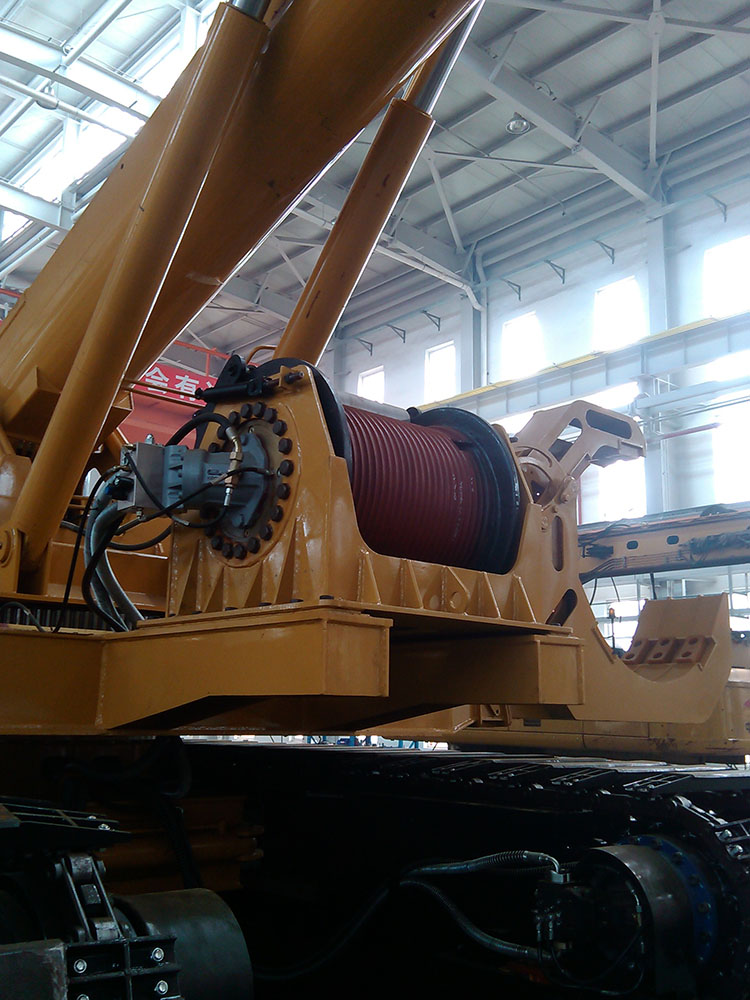
In real terms, these winches enable safer, faster, and more controlled movement of tall towers, antennas, lighting masts, and heavy modular components — often under demanding conditions that demand both power and precision.
Introduction: The Global Context of Double Drum Winches for High Mast
Globally, infrastructure and communication towers are expanding in height and number. According to the International Telecommunication Union (ITU), the number of cellular towers worldwide has surpassed 7 million and continues to rise rapidly, especially in emerging markets (ITU report, 2023). The backbone of erection and maintenance of such facilities? You guessed it: dependable lifting equipment like the double drum winch for high mast.
Beyond telecom, global initiatives in renewable energy (like wind turbines), lighting for sports and industrial sites, and disaster relief efforts require robust hoisting solutions. The challenge? Handling large loads with safety while ensuring operational efficiency, often at remote locations where downtime costs are high.
What Is a Double Drum Winch for High Mast?
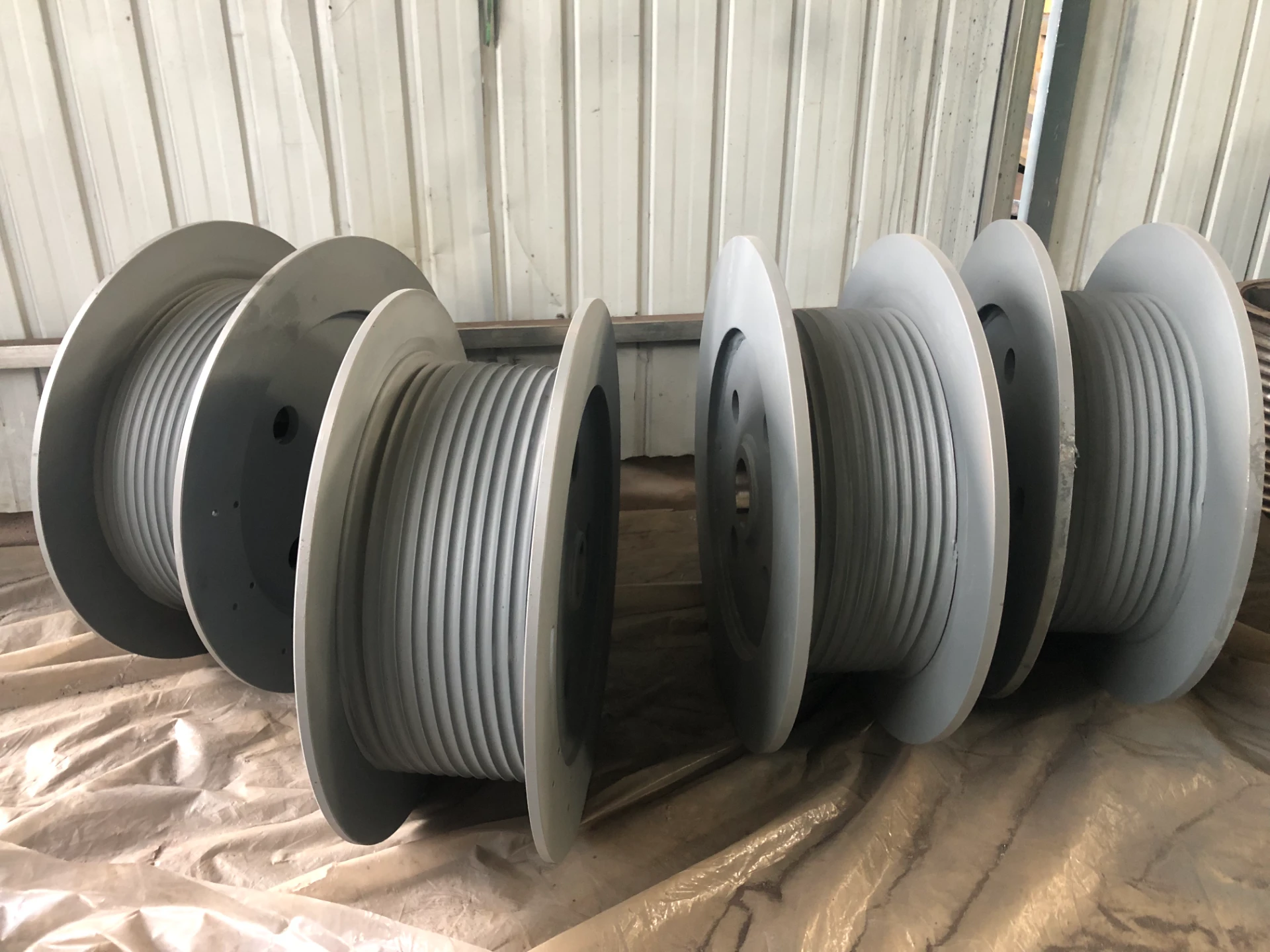
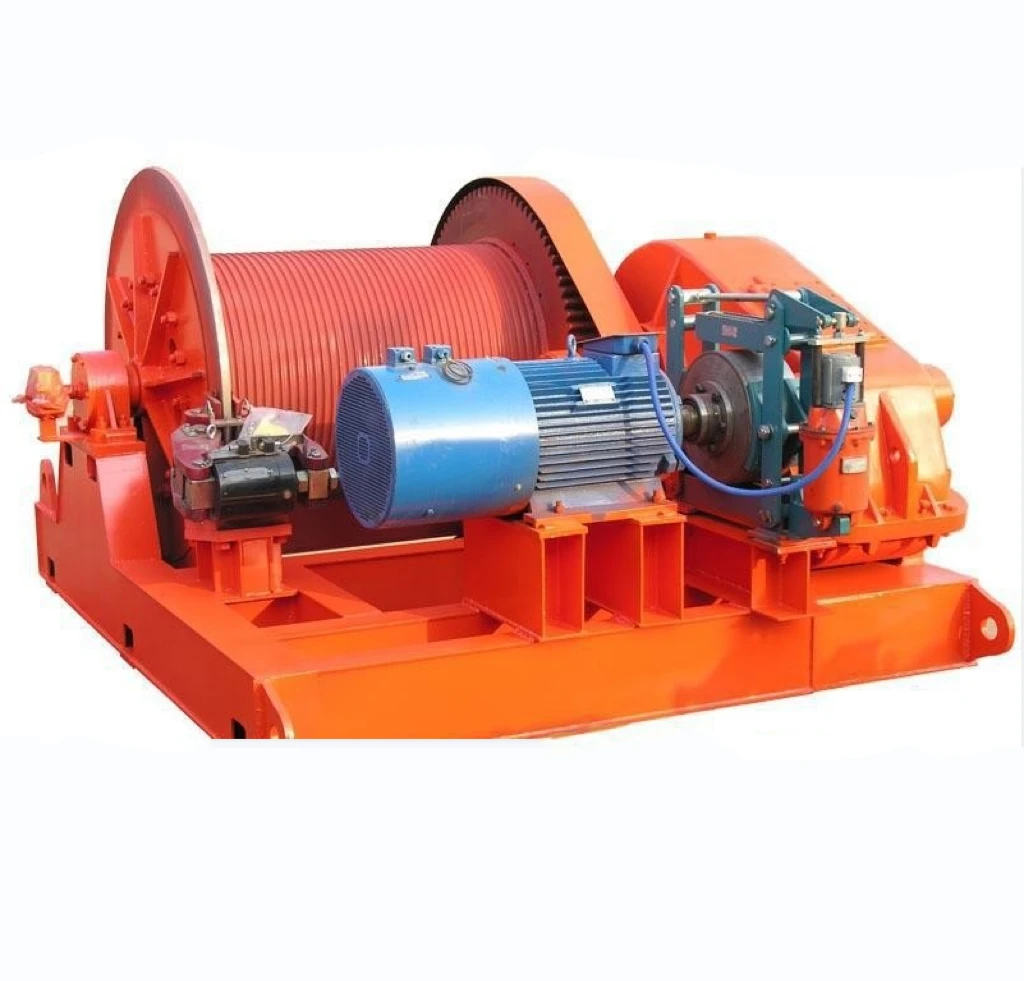
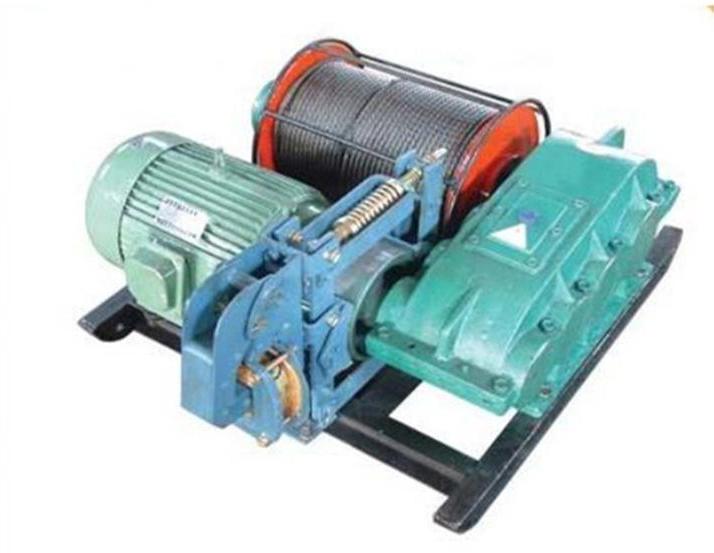
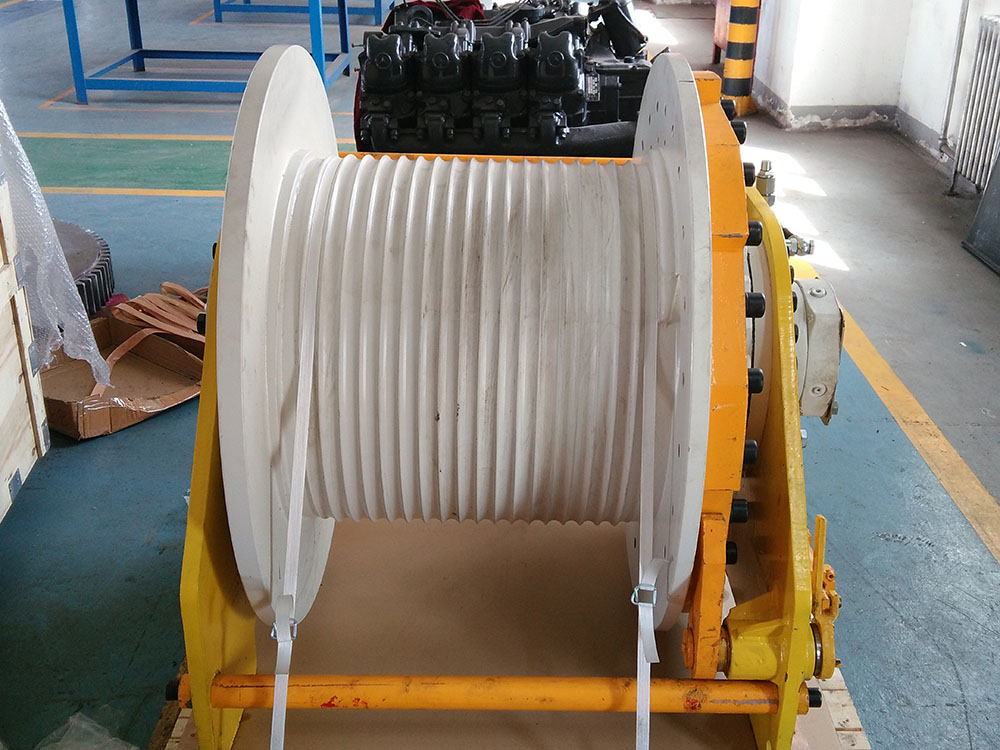
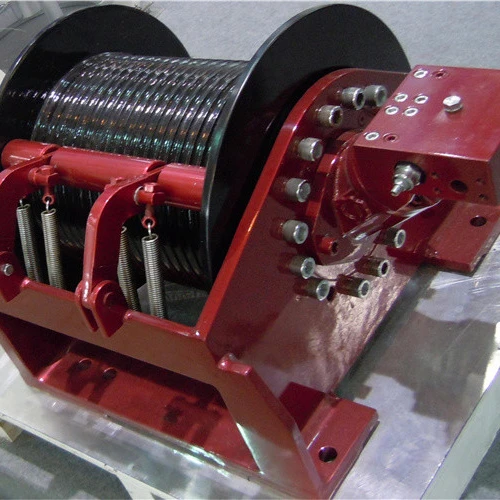
At its core, a double drum winch for high mast is a mechanical device equipped with two separate drums each holding steel cables that can raise or lower high masts or towers independently or simultaneously. The dual-drum setup allows for better load distribution and enhanced control, especially useful for tall, slender structures that need to be stabilized during erection or adjustment.
Think of it as having two synchronized hands guiding a heavy, delicate antenna tower upwards without tilting or abrupt jerks — quite vital to avoid structural damage or harsh wear.
Key Components and What Makes Them Tick
1. Durability & Material Quality
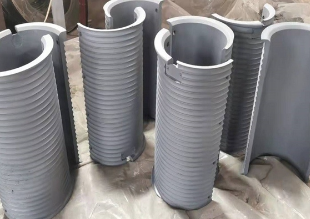
Because high masts often face harsh weather or rugged job sites, these winches use heavy-gauge steel drums and corrosion-resistant finishes. Some newer models incorporate composite materials to reduce weight without sacrificing strength.
2. Scalability and Load Capacity
Double drum winches come in various capacities — typically from 5 to over 30 tons. Their modular design means they can be adapted or combined for heavier loads or different cable lengths, making them ideal for diverse projects.
3. Precision Controls and Safety Mechanisms
Many units feature advanced braking systems, variable speed controls, and overload sensors, so operators have precise command and fail-safes. This is crucial when working around people or sensitive equipment.
4. Power Source Flexibility
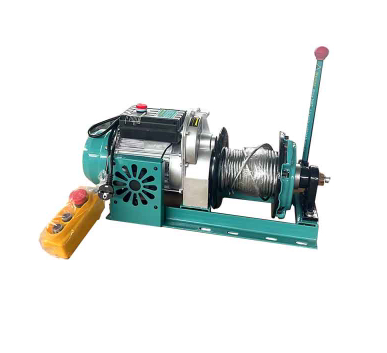
The winches can be driven electrically, hydraulically, or mechanically, depending on power availability. In disaster relief or off-grid sites, flexible power options make deployment feasible.
5. Portability
While often heavy, many double drum winches are designed with portability in mind — skid mounts or trailer integration allow easier transport and setup, especially on uneven terrain.
Mini Takeaway: The double drum winch for high mast blends strength, precision, and adaptability — all critical for complex lifting tasks.
Global Applications and Real-World Use Cases
- Telecommunications: Brazil’s boom in rural connectivity relies heavily on mobile towers erected with specialized winches that can handle uneven terrain and tropical weather.
- Disaster Relief: In post-earthquake zones, agencies use these winches to quickly deploy lighting masts and communication rigs essential for rescue coordination.
- Renewable Energy: High masts supporting wind turbine sensors frequently require double drum winches during assembly in off-grid locations.
- Industrial Sites: Mining companies in Australia employ these winches to safely raise tall ventilation and communication towers under dusty, harsh conditions.
Double Drum Winch for High Mast: Typical Product Specifications
| Specification | Typical Value |
|---|---|
| Load Capacity | 5 to 30+ tons |
| Cable Diameter | 12 - 24 mm |
| Drum Width | 400 - 700 mm |
| Power Options | Electric / Hydraulic / Diesel |
| Weight | 1,000 - 3,500 kg |
| Control System | Remote / Manual / Automated |
Vendor Comparison: Leading Double Drum Winch Suppliers
| Vendor | Load Capacity (Tons) | Typical Use Cases | Price Range (USD) |
|---|---|---|---|
| LBS Winch | 10-30 | Telecom, Industrial, Disaster Relief | $15,000 - $50,000 |
| Alpha Hoists | 5-20 | Renewable Energy, Construction | $14,000 - $40,000 |
| GlobalLift Tech | 8-25 | Mining, Industrial, Infrastructure | $18,000 - $55,000 |
Advantages and the Long-Term Value Proposition
The advantages of using a double drum winch for high mast go beyond simple load handling. First off, safety improves dramatically with dual cables stabilizing the load — meaning workers feel more secure, and potential accidents drop. It's a mix of emotional peace of mind and cold hard logic.
In terms of sustainability, the ability to use electric or hydraulic power reduces dependence on fossil fuels in some models, aligning well with the growing push toward greener construction technologies worldwide.
Financially, investing in such reliable equipment means less downtime and repair costs. And frankly, in projects where timing is critical, that adds up quickly.
Looking Ahead: Trends and Innovations
Oddly enough, the future of double drum winches isn’t just about raw strength. Many manufacturers are integrating IoT sensors to monitor cable integrity and load forces real-time. This digital transformation means preventive maintenance can take place before something actually breaks — a genuine game-changer to crane and winch operators.
Additionally, lighter composite materials and energy-efficient drives are becoming standard, plus some companies explore hybrid power systems to marry efficiency with portability. Don’t be surprised if automation features increasingly handle the actual lifting with minimal manual input...
Challenges in the Field—and How Experts Are Tackling Them
One practical hurdle is deployment in extreme environments — think freezing Arctic zones or remote deserts. Power supply issues can mean electric winches stall. Innovative solutions include hybrid power packs or modular, easily transportable diesel generators. Another problem: cable wear and fatigue under constant load cycles. Regular sensor monitoring and new corrosion-resistant cables help mitigate this.
FAQ: Common Questions About Double Drum Winch for High Mast
- Q: How do I know what load capacity to choose for my project?
A: Always calculate the maximum anticipated load including safety margins — generally 1.5 to 2 times the expected weight. Consult manufacturer specs and consider terrain and wind load factors. - Q: Can these winches be used in remote areas without electricity?
A: Yes, many models offer hydraulic or diesel-driven options perfect for off-grid locations. Some even enable solar-powered charging for electric versions. - Q: What maintenance is required to keep winches safe?
A: Regular inspection of cables, drums, brakes, and controls is essential. Using IoT-enabled winches makes this easier with alerts and predictive maintenance data. - Q: Are double drum winches customizable for special applications?
A: Absolutely — manufacturers often tailor drum widths, cable lengths, and control systems to specific project needs.
Conclusion: Why Investing in Double Drum Winches for High Masts Makes Sense
In summary, the double drum winch for high mast combines durability, precise control, and adaptability to meet the growing global challenges of infrastructure, renewable energy, and emergency response. Whether you’re erecting a telecom tower or setting up rapid lighting at a disaster relief site, this equipment proves itself time and again. For those interested in the latest models and expert guidance, I suggest visiting double drum winch for high mast where specialists can help tailor solutions to your exact needs.
It’s odd how such seemingly simple tools can influence big projects’ success — but they do. And frankly, when your work depends on moving heavy stuff safely and fast, you want to pick something that’s proven, adaptable, and built for the future.
-
The Ultimate Guide to Gear Steels for Durability and PerformanceNewsApr.16,2026
-
High Performance Gear Stainless Steel for Industrial DurabilityNewsApr.09,2026
-
Comprehensive Guide to Steel Bevel Gears Applications and SelectionNewsApr.07,2026
-
Comprehensive Guide to Durable Stainless Steel Miter Gears and ApplicationsNewsApr.04,2026
-
Comprehensive Guide to Steel Spur Gears Functionality and ApplicationsNewsMar.31,2026
-
Comprehensive Guide to Durable Stainless Steel Spur Gears and Their ApplicationsNewsMar.28,2026