Comprehensive Guide to Large Capacity Winch: Applications, Advantages, and Innovations
Understanding the Large Capacity Winch: Powering Heavy Lifting Across Industries
When you come across the term large capacity winch, you might picture a hefty spool of cable, silently hauling tons of weight somewhere off in the distance. But the reality is so much more fascinating—and crucial to global industries and even humanitarian efforts. These powerful machines are the unsung heroes behind massive infrastructure projects, disaster relief operations, and remote industrial ventures. Getting familiar with their capabilities and nuances isn’t just technical jargon; it unlocks a window into how we build, recover, and innovate around the world.
Global Relevance: Why Large Capacity Winches Matter Now More Than Ever
Across the globe, massive projects—think offshore drilling rigs, large-scale construction, and mining operations—require equipment that can reliably lift and move colossal loads. According to the International Organization for Standardization (ISO 4301-1), the standards guiding hoisting gear stress durability and safety for heavy-weight handling. The World Bank reports that infrastructure investment worldwide has surged, especially in developing regions, which means large capacity winches are becoming fundamental tools in making ambitious projects viable. Yet, the challenge remains: how do you safely and sustainably manage such heavy lifting in harsh or unpredictable environments?
It may sound simple until you realize the scale: tens of tons or more, sometimes over rough terrain or unstable ground, often near sensitive ecosystems. Winches must combine strength, precision, and adaptability, or risk safety hazards and costly downtime.
What Exactly Is a Large Capacity Winch?
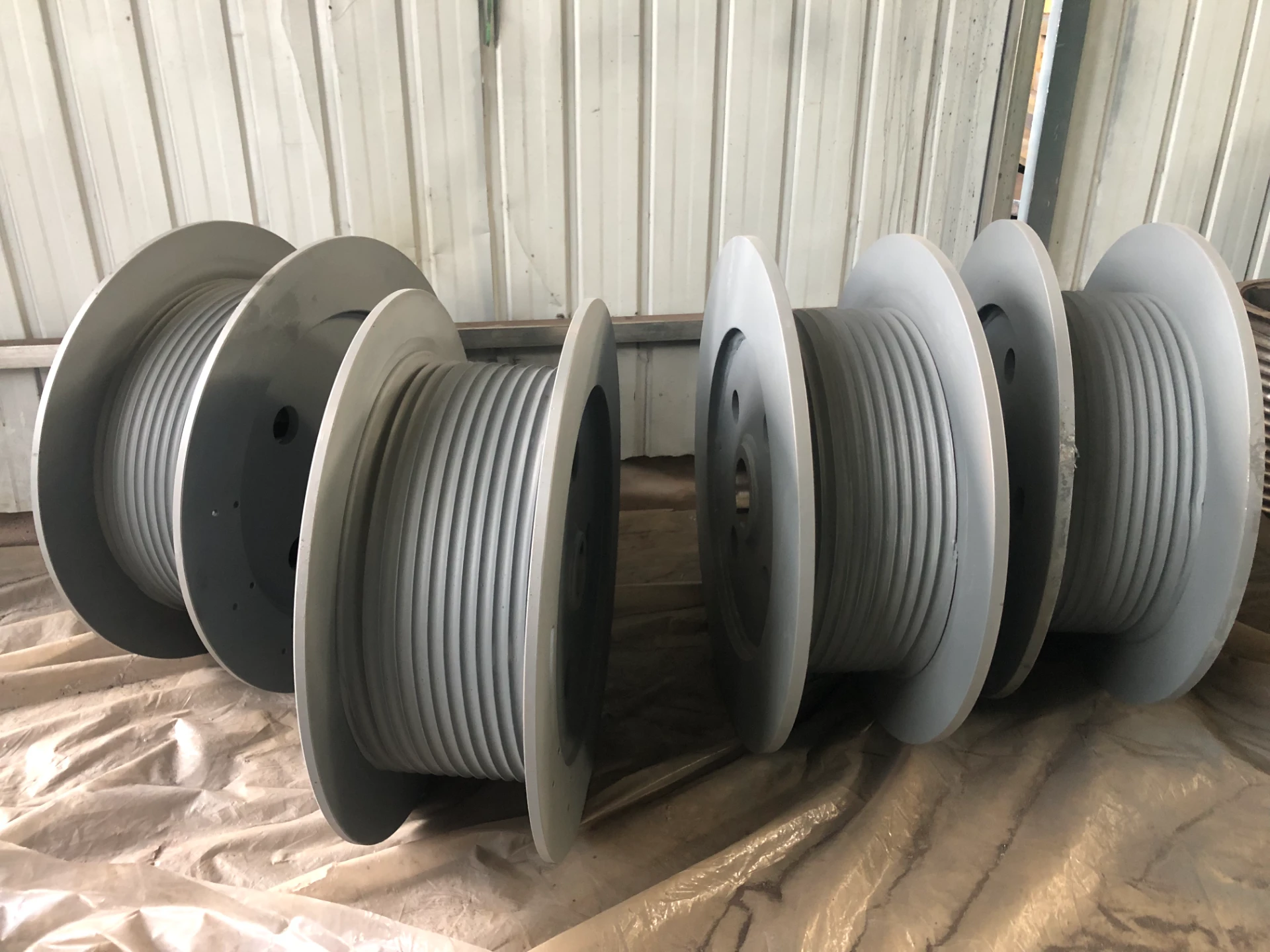
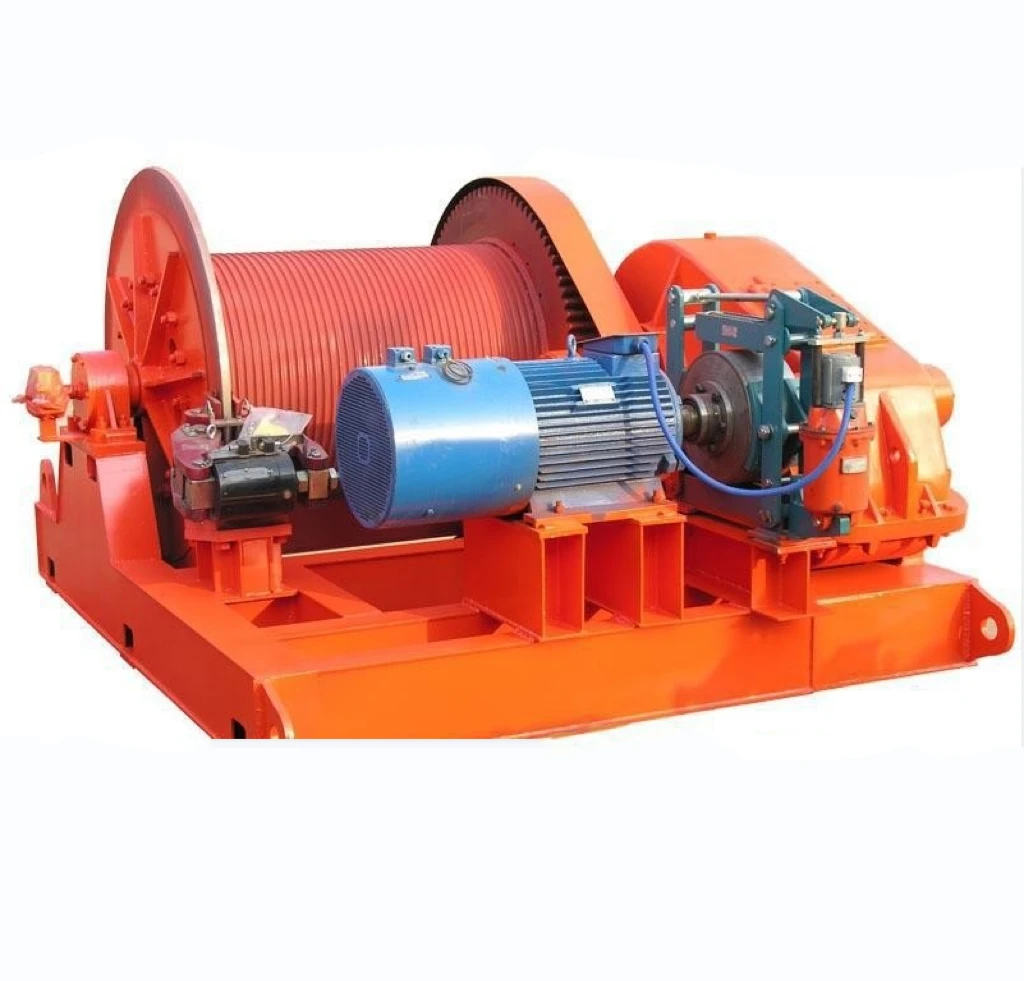
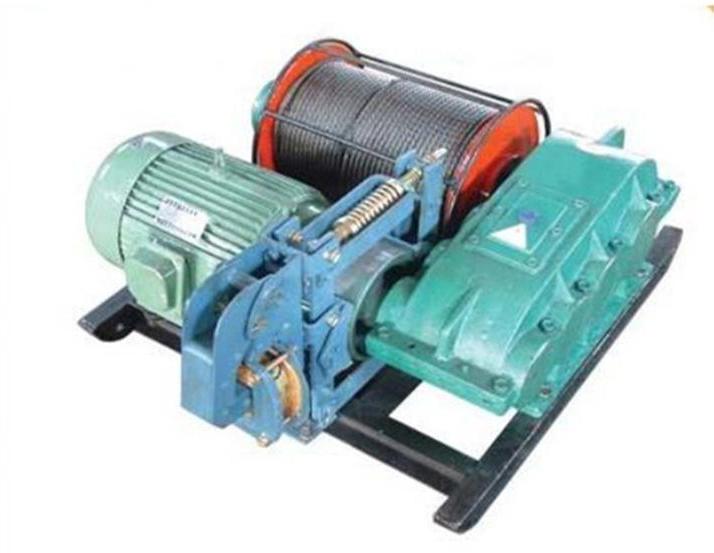
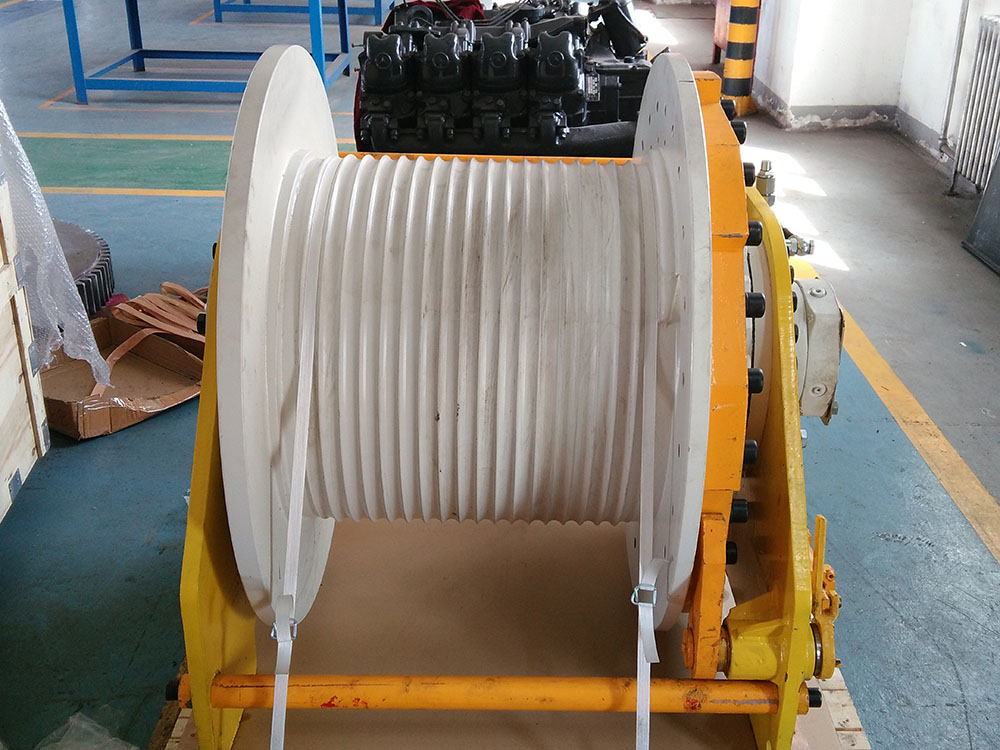
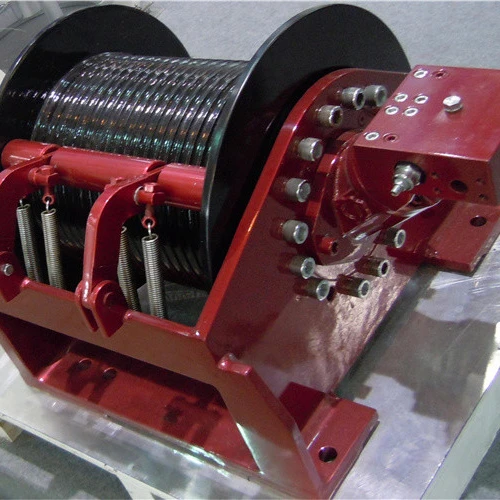
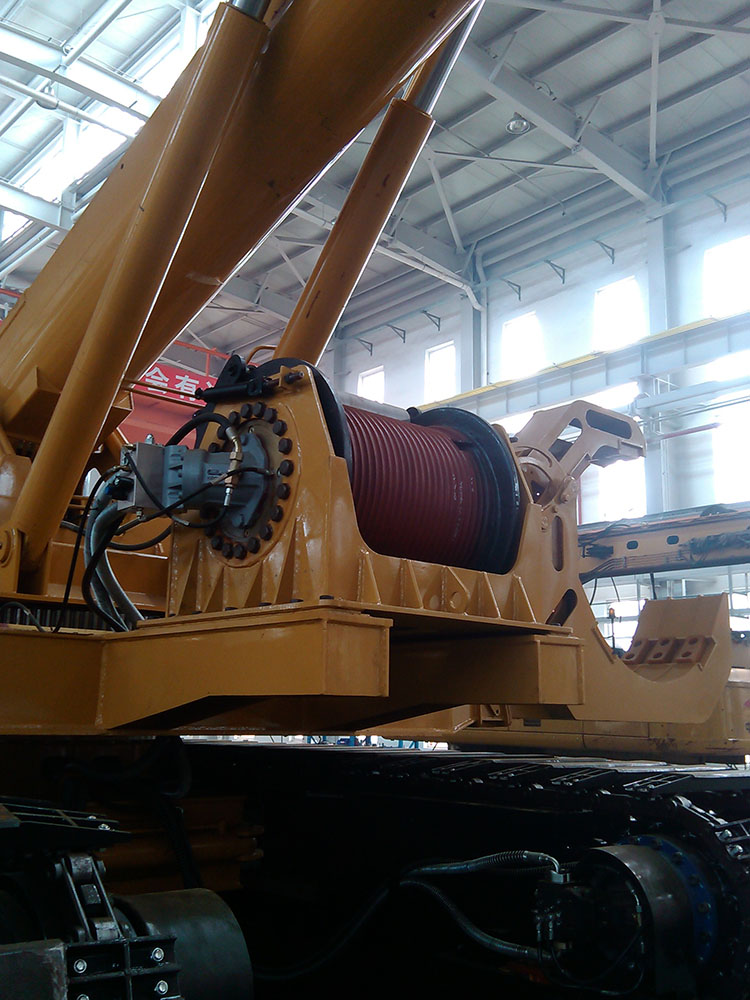
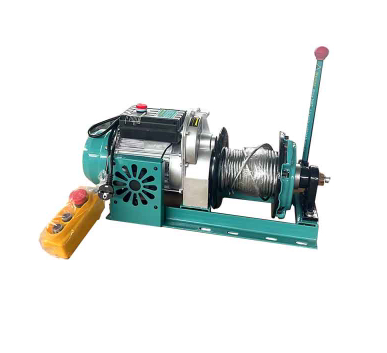
At its core, a large capacity winch is a mechanical device designed to pull or lift heavy loads using a rope, cable, or chain wound around a drum powered typically by electric, hydraulic, or pneumatic motors. What sets it apart is its sheer load-bearing ability—typically handling weights in the tens to hundreds of tons range. These aren’t your average boat winches or light-duty tools; they’re engineered to operate continuously and safely under extreme conditions.
These winches are vital in sectors ranging from maritime salvage and offshore wind farm installation to mining haulage and disaster recovery. For example, when rescuing large stranded vessels or repositioning heavy wall panels during earthquake relief, a reliable large capacity winch is often the linchpin that makes the operation possible.
Core Components and Key Factors of Large Capacity Winches
1. Durability
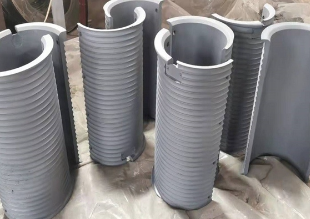
The structural integrity of components—like drum, brake system, and cable guides—must withstand harsh environments, corrosion, and repetitive stress without failure. Materials often include high-grade steel alloys or corrosion-resistant coatings.
2. Load Capacity and Scalability
The winch’s load rating determines what it can safely lift or pull. Scalability refers to whether the system allows upgrades, like adding more powerful motors or larger drums, to meet future operational needs—really important as projects evolve.
3. Control Systems
Modern large capacity winches incorporate advanced electronic controls for precise tension management and speed regulation. Remote operation capabilities also add safety and efficiency, keeping operators out of hazardous zones.
4. Energy Efficiency
Given their power demands, winch systems increasingly integrate efficient motor designs and regenerative braking to reduce fuel or electrical consumption—a nod to sustainable industry practices.
5. Cost Efficiency
Although initial investment is considerable, the long-term savings from durability, low maintenance, and reduced downtime make them appealing in heavy-duty contexts.
Typical Specifications of a Large Capacity Winch
| Specification | Typical Range |
|---|---|
| Maximum Load Capacity | 50 to 300+ tons |
| Cable Diameter | 20 to 60 mm |
| Power Source | Electric, hydraulic, or diesel |
| Control | Remote or wired electronic controls |
| Drum Diameter | 600 – 1500 mm |
| Operating Speed | Variable, up to 10 m/min |
Mini takeaway: The balance between power, control, and energy management is key to choosing the right winch for your needs.
Global Applications: Where Large Capacity Winches Shine
These winches aren’t just fascinating machines—they’re hard at work around the world every day. In offshore wind farm construction, for example, large capacity winches help position turbines weighing several hundred tons—a clean energy advancement with massive economic impact. Mining companies in remote regions depend on them for hauling heavy ore buckets and equipment, too. During humanitarian relief, such as post-tsunami recovery in Southeast Asia, winches enable the removal of debris and transportation of essential supplies where other machinery can’t reach.
Even within the maritime industry, salvaging massive ships or floating oil rigs relies entirely on powerful winches that can endure the ocean’s unpredictability.
Vendor Comparison of Popular Large Capacity Winches
| Feature | Alpha Winch Co. | Beta Hoist Ltd. | Gamma Industrial |
|---|---|---|---|
| Max Load Capacity | 250 tons | 200 tons | 300 tons |
| Power Type | Electric | Hydraulic | Diesel-Hybrid |
| Control | Remote + manual override | Manual only | Remote with digital interface |
| Energy Efficiency | High (regenerative braking) | Medium | High (diesel-hybrid tech) |
| Typical Cost | $$$ | $$ | $$$$ |
Mini takeaway: Choose a vendor aligned with your operational priorities—be it cost, control sophistication, or energy efficiency.
Advantages and Long-Term Value of Using a Large Capacity Winch
The immediate benefit is obvious: immense lifting power where manual or smaller machines simply can’t compete. But the value doesn’t stop at strength. Rugged durability means fewer replacements and lower maintenance costs. Precision controls minimize safety risks—say, avoiding cable snap or load drops—protecting operators’ lives and expensive cargo. There’s also a growing emphasis on sustainability; today’s winches integrate energy-saving tech helping companies meet environmental goals—a true win-win for business and planet.
On a human level, large capacity winches empower projects that improve infrastructure, aid disaster victims, and drive technological progress, fostering a sense of safety and dignity. That’s not something you can measure on a spreadsheet but feels pretty important.
Emerging Innovations and Future Trends
The field isn’t standing still. For instance, incorporating smart sensors and IoT connectivity enables predictive maintenance—alerting operators before a failure could happen. Electrification of winch motors is replacing diesel options in some cases, reducing emissions and noise. There’s also experimentation with lightweight composite materials to reduce overall equipment weight without sacrificing strength, which can help in transportation and installation.
Automation and AI may soon assist in optimized load handling—perhaps even fully autonomous winches directing themselves according to project schedules. These trends offer promising steps toward more efficient, safer, and greener heavy lifting.
Challenges and Solutions
It’s not all smooth sailing, though. Large capacity winches face challenges like the high upfront cost, increased complexity of control systems, and the need for specially trained operators. In remote or developing areas, maintenance infrastructure is often lacking, which can lead to downtime. To counter this, some manufacturers offer modular designs that simplify repairs or training modules tailored for on-site staff.
Environmentally, working in sensitive or offshore settings demands rigorous sealing and corrosion-proofing—often pushing the limits of existing technology. In response, partnerships between winch manufacturers and material science companies have been fruitful, resulting in coatings and sealants designed for extreme conditions.
FAQ: Frequently Asked Questions About Large Capacity Winches
- Q: What factors should I consider when selecting a large capacity winch for offshore use?
A: Consider load capacity, corrosion resistance, power type (electric or hydraulic), control options (remote is safer offshore), and compliance with marine safety standards. - Q: How often does a large capacity winch require maintenance?
A: Depending on usage intensity and environment, routine inspections may be necessary quarterly, with major servicing annually. Predictive maintenance sensors can help optimize schedules. - Q: Can large capacity winches be customized for specific industry needs?
A: Absolutely. Many vendors offer customized drum sizes, motor types, control interfaces, and materials tailored to your project’s unique demands. - Q: Are there international standards guiding safe operation?
A: Yes, ISO 4301-1 sets the classification for hoisting gear, and regional regulations often add safety layers; compliance is critical. - Q: Is it feasible to rent large capacity winches instead of purchasing?
A: Renting can be practical for short-term projects, reducing upfront costs, but long-term usage typically favors purchase to maximize ROI.
Conclusion: Harnessing the Power of Large Capacity Winches for the Future
Large capacity winches truly form the backbone of many of today’s critical industrial operations and humanitarian projects. Their robust design, technological advances, and global applicability make them indispensable in moving heavy loads safely and efficiently. From construction sites to disaster zones, these machines empower progress while prioritizing safety and sustainability. Whether you’re an engineer, project manager, or procurement specialist, understanding the nuances of large capacity winches equips you to make smarter, future-ready decisions.
Ready to explore the best solutions for your lifting needs? Visit our website: large capacity winch to learn more.
Oddly enough, large capacity winches seem like silent machines until you really dive in—they tell a story of human ingenuity meeting colossal challenges.
References:
-
The Ultimate Guide to Gear Steels for Durability and PerformanceNewsApr.16,2026
-
High Performance Gear Stainless Steel for Industrial DurabilityNewsApr.09,2026
-
Comprehensive Guide to Steel Bevel Gears Applications and SelectionNewsApr.07,2026
-
Comprehensive Guide to Durable Stainless Steel Miter Gears and ApplicationsNewsApr.04,2026
-
Comprehensive Guide to Steel Spur Gears Functionality and ApplicationsNewsMar.31,2026
-
Comprehensive Guide to Durable Stainless Steel Spur Gears and Their ApplicationsNewsMar.28,2026