Comprehensive Guide to Cable Drum Winches Types Applications and Safety
Understanding Cable Drum Winches: A Comprehensive Guide
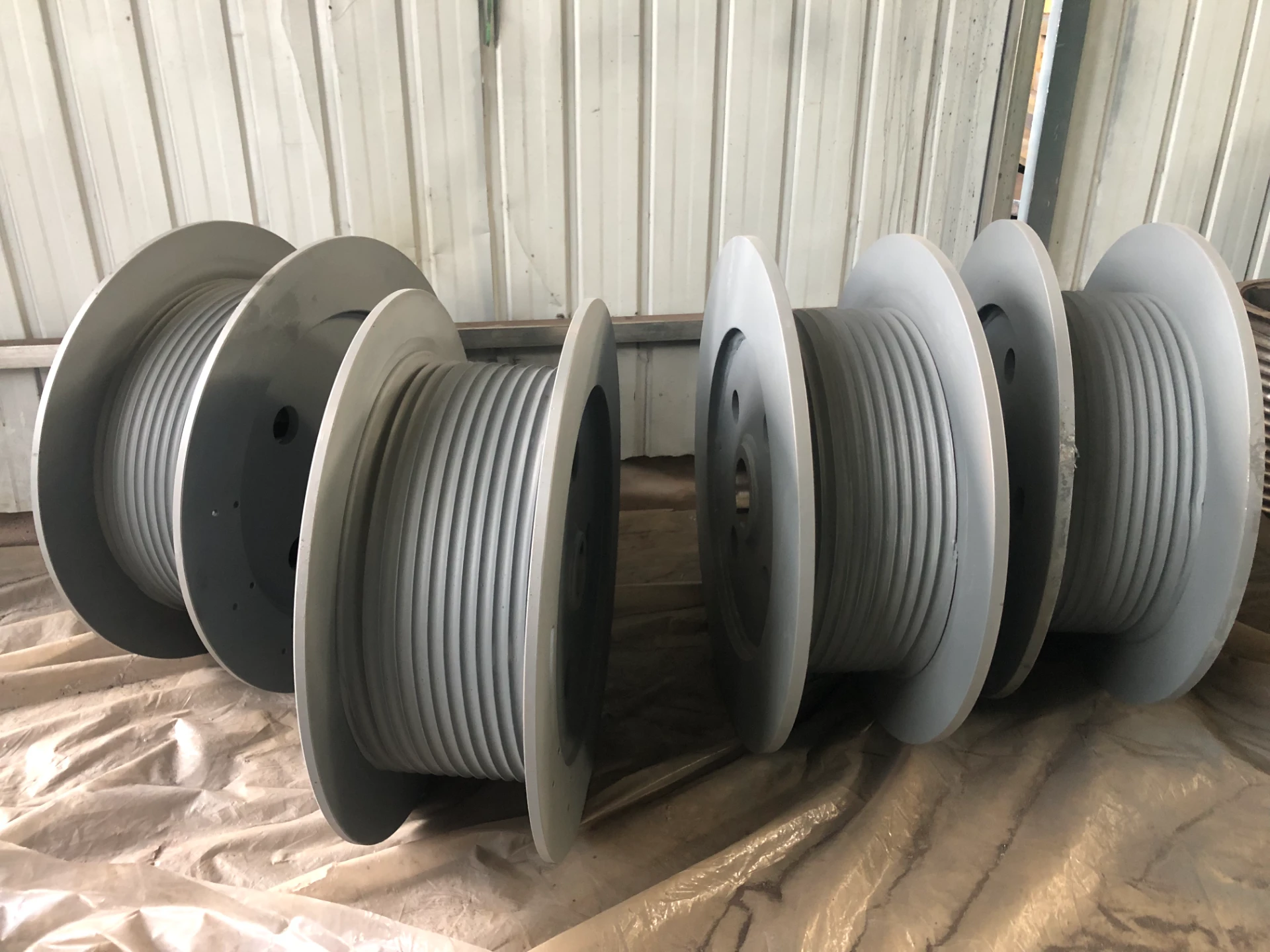
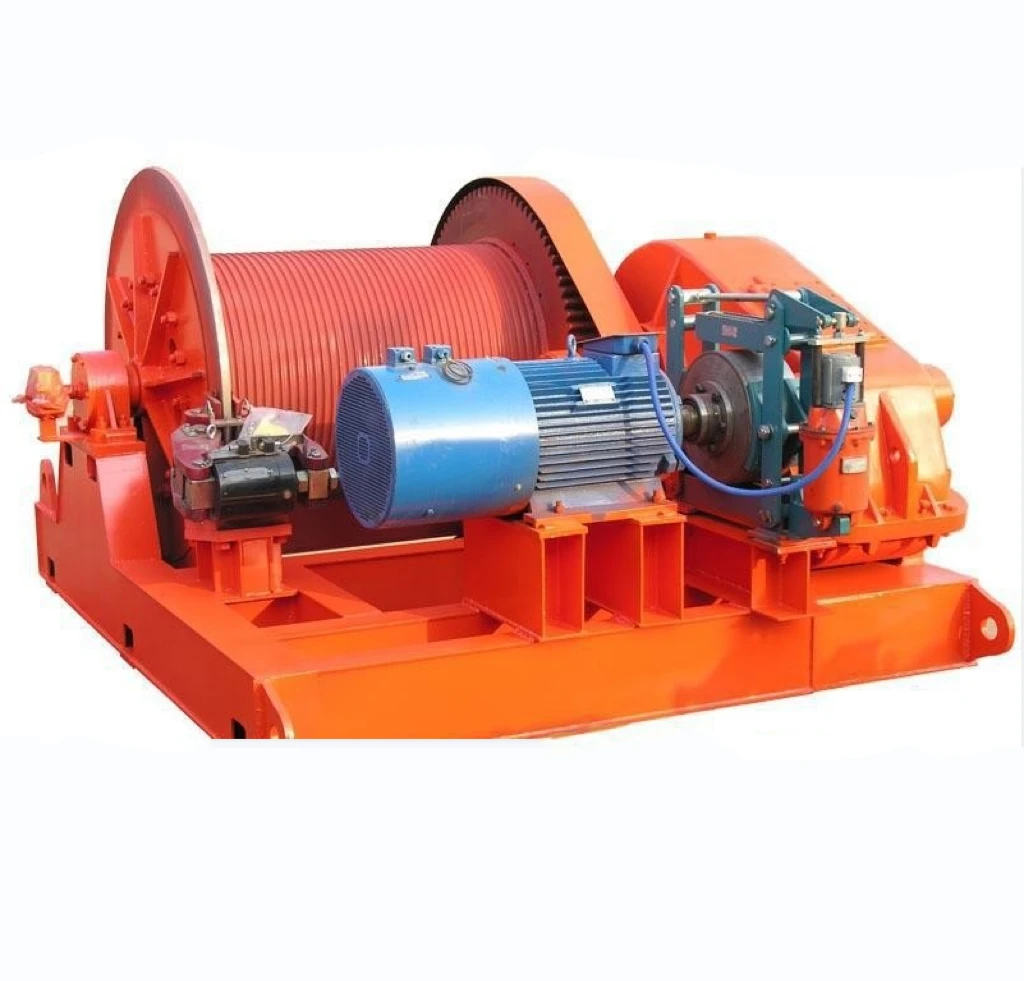
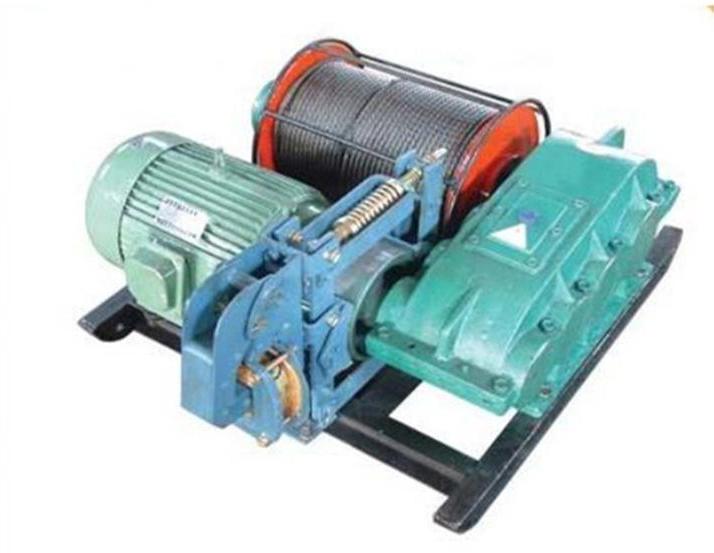
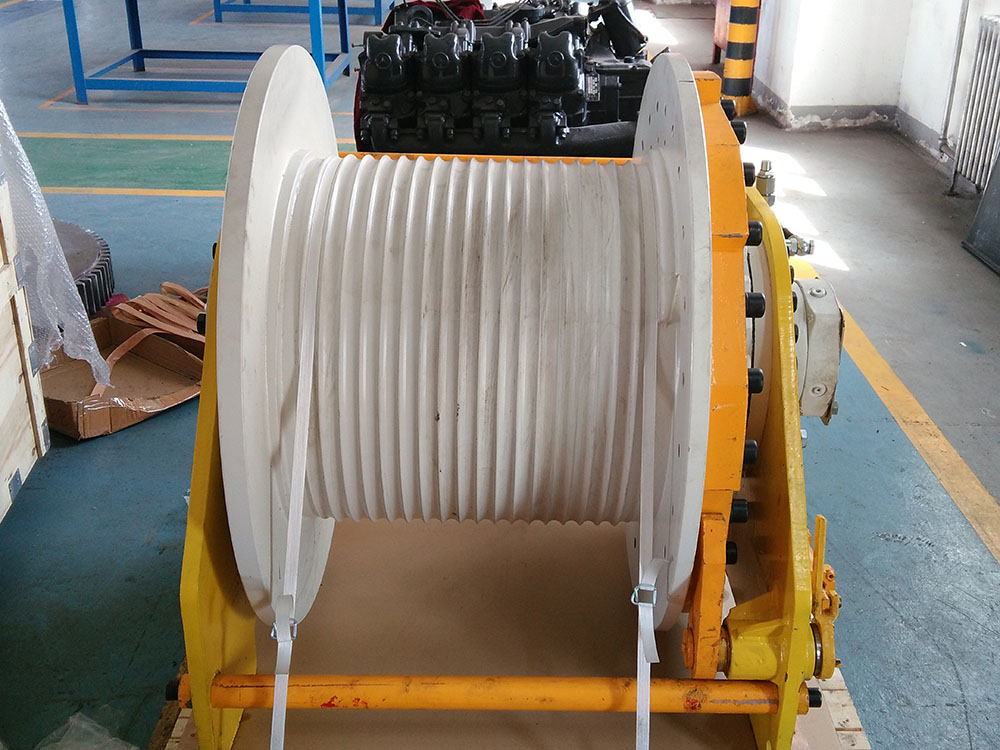
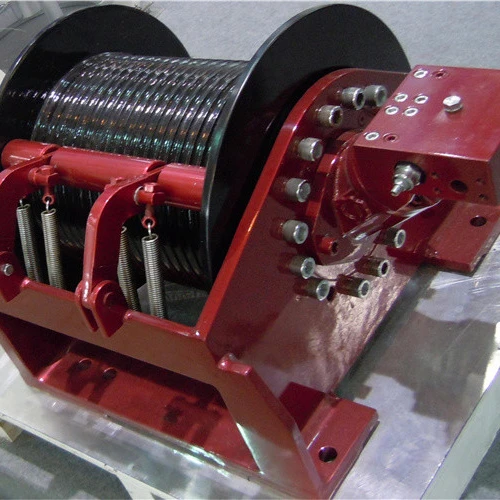
Cable drum winches are essential pieces of equipment used across a diverse range of industries, from marine applications and construction to material handling and even vehicle recovery. These powerful tools enable the safe and efficient lifting, pulling, and positioning of heavy loads. This article will provide an in-depth exploration of cable drum winches, covering their types, applications, key features, safety considerations, and how to choose the right winch for your specific needs. Whether you're a seasoned professional or new to the world of winches, this guide will offer valuable insights. Explore our wide range of cable drum winches today!
Types of Cable Drum Winches
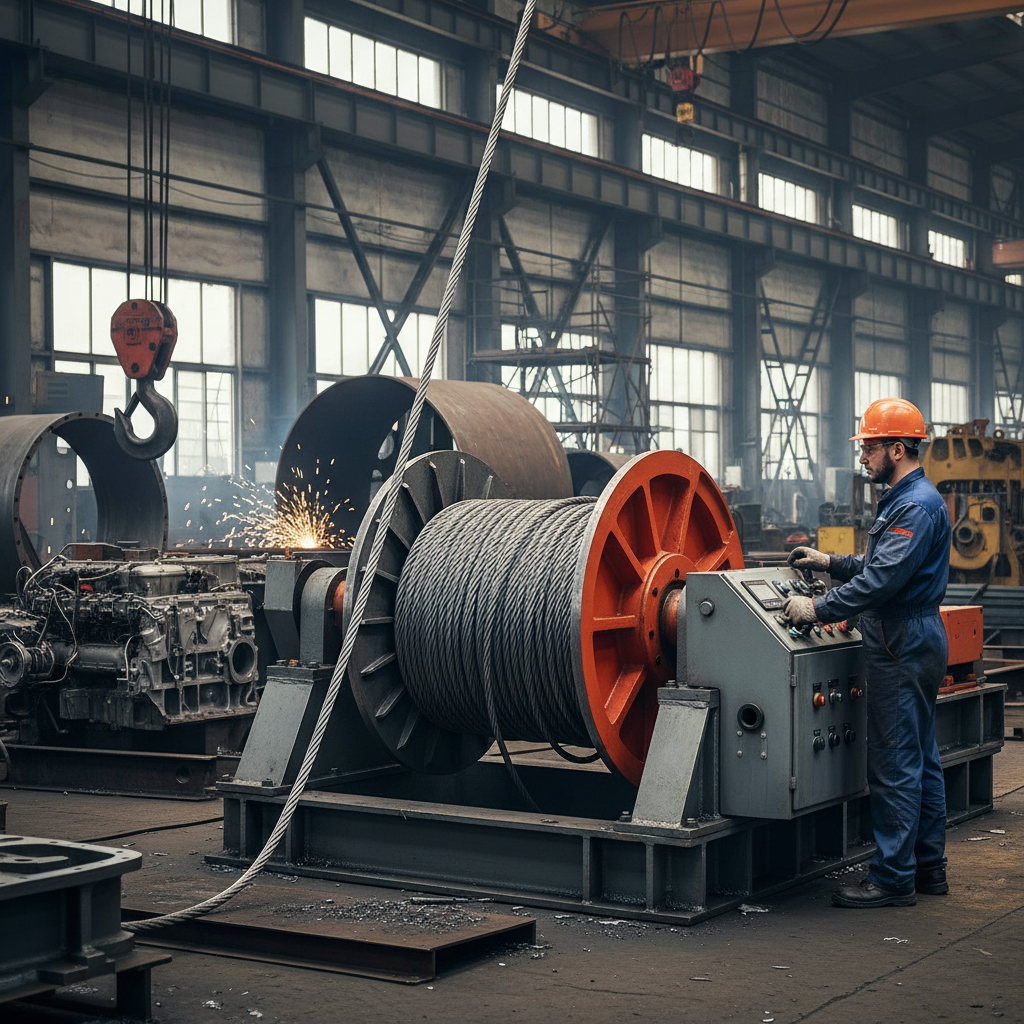
Cable drum winches come in various configurations, each designed for specific applications and load requirements. Common types include:
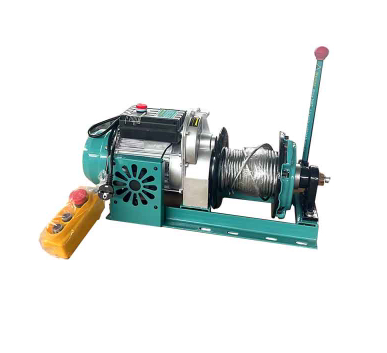
- Manual Winches: Operated by hand using a crank handle, ideal for lighter loads and situations where power isn't available.
- Electric Winches: Powered by an electric motor, offering greater lifting capacity and speed. These are often used in industrial and automotive settings.
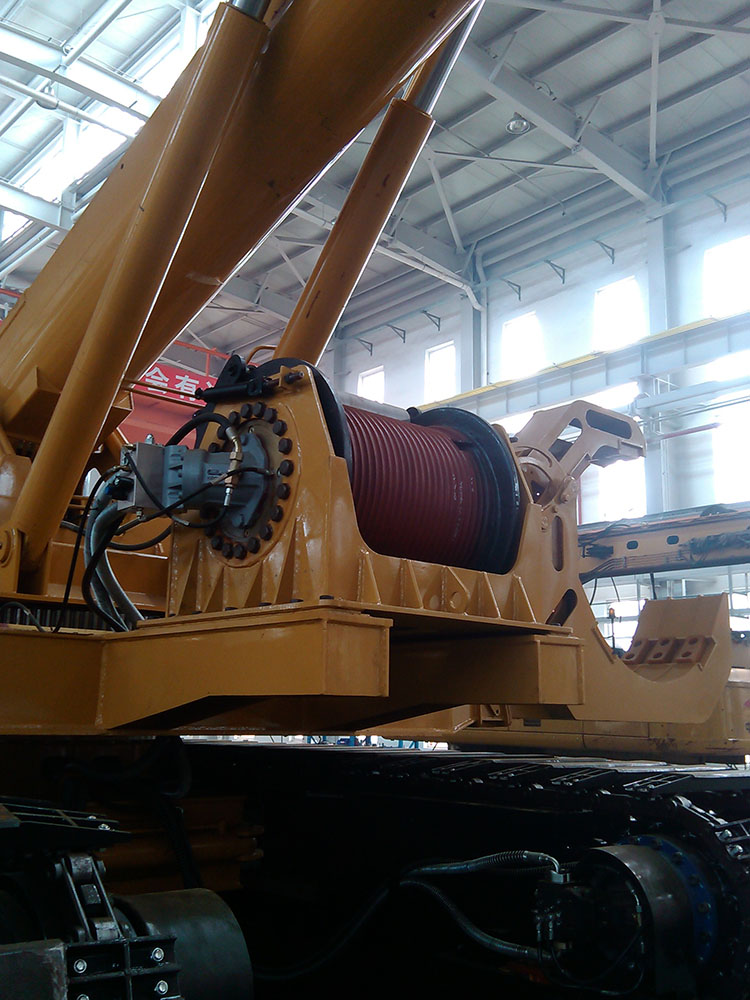
- Hydraulic Winches: Driven by hydraulic pressure, providing exceptional power and control, particularly suitable for heavy-duty applications.
- Air Winches: Powered by compressed air, commonly found in hazardous environments due to their inherent safety features.
Choosing the right type depends on factors like load weight, frequency of use, power source availability, and operational environment. LBS Winch offers a comprehensive selection of each type to meet diverse demands.
Key Considerations: Selecting the right winch type requires careful assessment of your specific needs and operating conditions. Consider the power source, load capacity, and environmental factors.
Applications of Cable Drum Winches
The versatility of cable drum winches makes them indispensable across numerous industries. Here are some common applications:
- Marine Industry: Anchoring, mooring, and lifting operations on boats and ships.
- Construction: Lifting materials, pulling equipment, and assisting with rigging.
- Automotive: Vehicle recovery, off-road driving, and towing.
- Material Handling: Moving heavy objects in warehouses and factories.
- Mining: Lifting and transporting materials in mining operations.
These winches are often critical components in ensuring workplace safety and efficiency.
Versatility in Action:
• Marine operations for anchoring and mooring.
• Construction sites for lifting heavy materials.
• Automotive recovery and off-road adventures.
• Industrial settings for efficient material handling.
Choosing the Right Cable Drum Winch for Your Needs
Selecting the appropriate cable drum winch requires careful consideration of several key factors. These include:
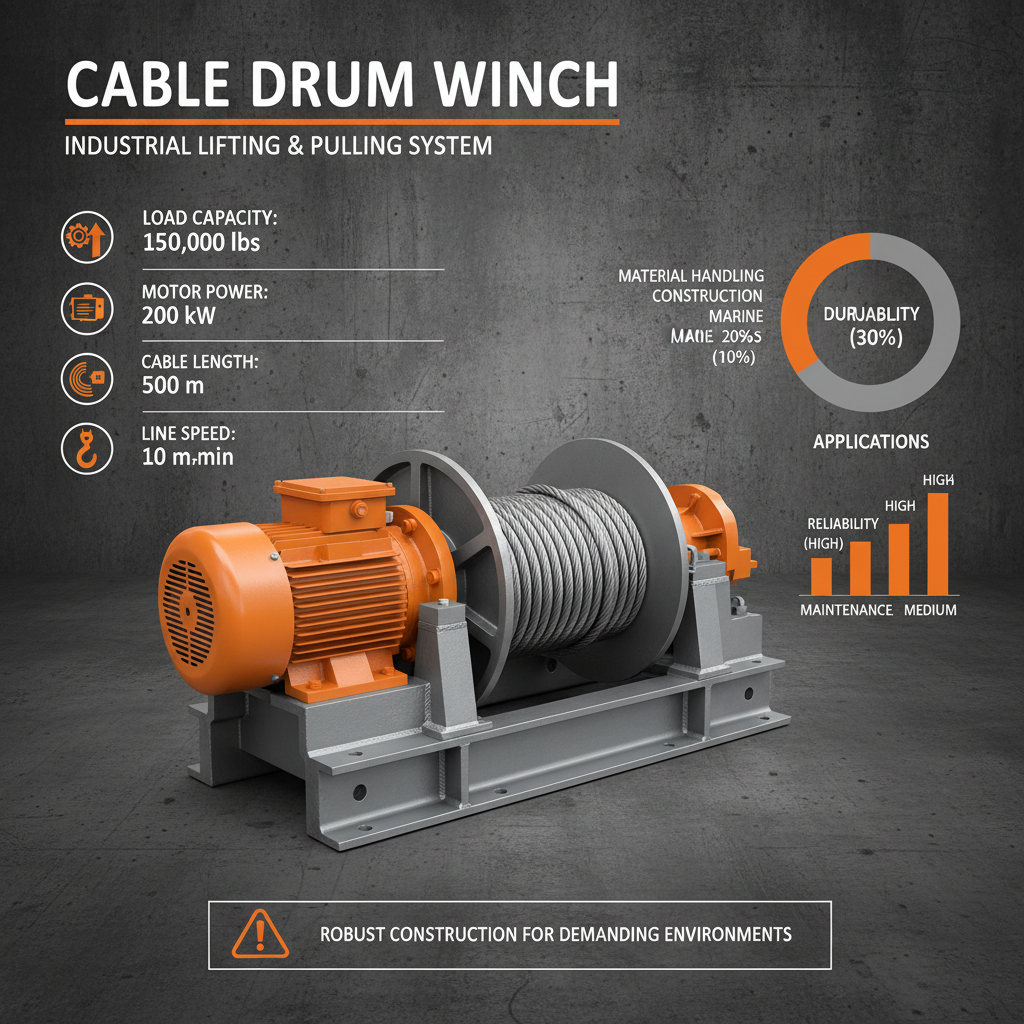
- Load Capacity: Determine the maximum weight you need to lift or pull. Always choose a winch with a capacity exceeding your maximum load.
- Cable Length: Ensure the cable is long enough for your intended application.
- Rope Type: Steel cable, synthetic rope, or fiber rope each have different strengths and weaknesses.
- Gear Ratio: A higher gear ratio provides more power but slower operation.
- Duty Cycle: Consider how frequently the winch will be used.
LBS Winch provides expert guidance to help you choose the perfect winch for your requirements.
Safety Considerations When Using Cable Drum Winches
Safety is paramount when operating cable drum winches. Always follow these guidelines:
- Inspect the winch before each use for any signs of damage.
- Ensure the cable is properly spooled and not kinked or frayed.
- Use appropriate safety gear, including gloves, eye protection, and hard hats.
- Never exceed the winch's rated load capacity.
- Maintain a safe distance from the load during operation.
- Properly maintain the winch according to the manufacturer's instructions.
Regular maintenance and adherence to safety protocols are essential for preventing accidents and ensuring long-term winch performance.
Conclusion: Investing in Quality and Safety
Choosing the Right Cable Drum Winch
Investing in a high-quality cable drum winch from a reputable manufacturer like LBS Winch is crucial for ensuring safety, reliability, and long-term performance. By carefully considering your specific needs and following proper safety procedures, you can maximize the benefits of this powerful tool. Explore our catalog today and find the perfect winch for your next project!
Frequently Asked Questions (FAQs)
What is the difference between a single-drum and double-drum winch?
Single-drum winches feature one cable drum and are generally used for simpler lifting or pulling applications. Double-drum winches, on the other hand, have two drums, allowing for simultaneous lifting or pulling operations or the use of two different cables for enhanced versatility. Double-drum winches are commonly found in more complex industrial settings where multiple lifting points or configurations are required. The choice depends on the specific demands of your task.
How often should I inspect the cable on my winch?
Regular cable inspections are critical for safety. You should inspect the cable before each use for any signs of wear, fraying, kinking, corrosion, or damage. A thorough inspection should also be conducted at least monthly, or more frequently if the winch is used heavily. If you detect any damage, the cable should be replaced immediately. Ignoring cable damage can lead to catastrophic failure and serious injury.
What maintenance is required for a hydraulic winch?
Hydraulic winches require regular maintenance to ensure optimal performance. This includes checking the hydraulic fluid level and condition, inspecting hoses and fittings for leaks, lubricating moving parts, and verifying the operation of the hydraulic system. It's also important to check and tighten any loose bolts or connections. Refer to the winch's manual for specific maintenance recommendations. LBS Winch offers comprehensive maintenance services to keep your winch in top condition.
What factors affect the lifespan of a winch?
Several factors can influence a winch's lifespan, including the frequency of use, the loads it handles, the operating environment, and the quality of maintenance. Regular maintenance, proper lubrication, avoiding overloading, and protecting the winch from harsh weather conditions can significantly extend its service life. Using the winch within its specified operating parameters is also crucial for longevity. Choosing a high-quality winch from a reputable manufacturer, like LBS Winch, also contributes to a longer lifespan.
Previous
Precision Power Solutions-
The Ultimate Guide to Gear Steels for Durability and PerformanceNewsApr.16,2026
-
High Performance Gear Stainless Steel for Industrial DurabilityNewsApr.09,2026
-
Comprehensive Guide to Steel Bevel Gears Applications and SelectionNewsApr.07,2026
-
Comprehensive Guide to Durable Stainless Steel Miter Gears and ApplicationsNewsApr.04,2026
-
Comprehensive Guide to Steel Spur Gears Functionality and ApplicationsNewsMar.31,2026
-
Comprehensive Guide to Durable Stainless Steel Spur Gears and Their ApplicationsNewsMar.28,2026