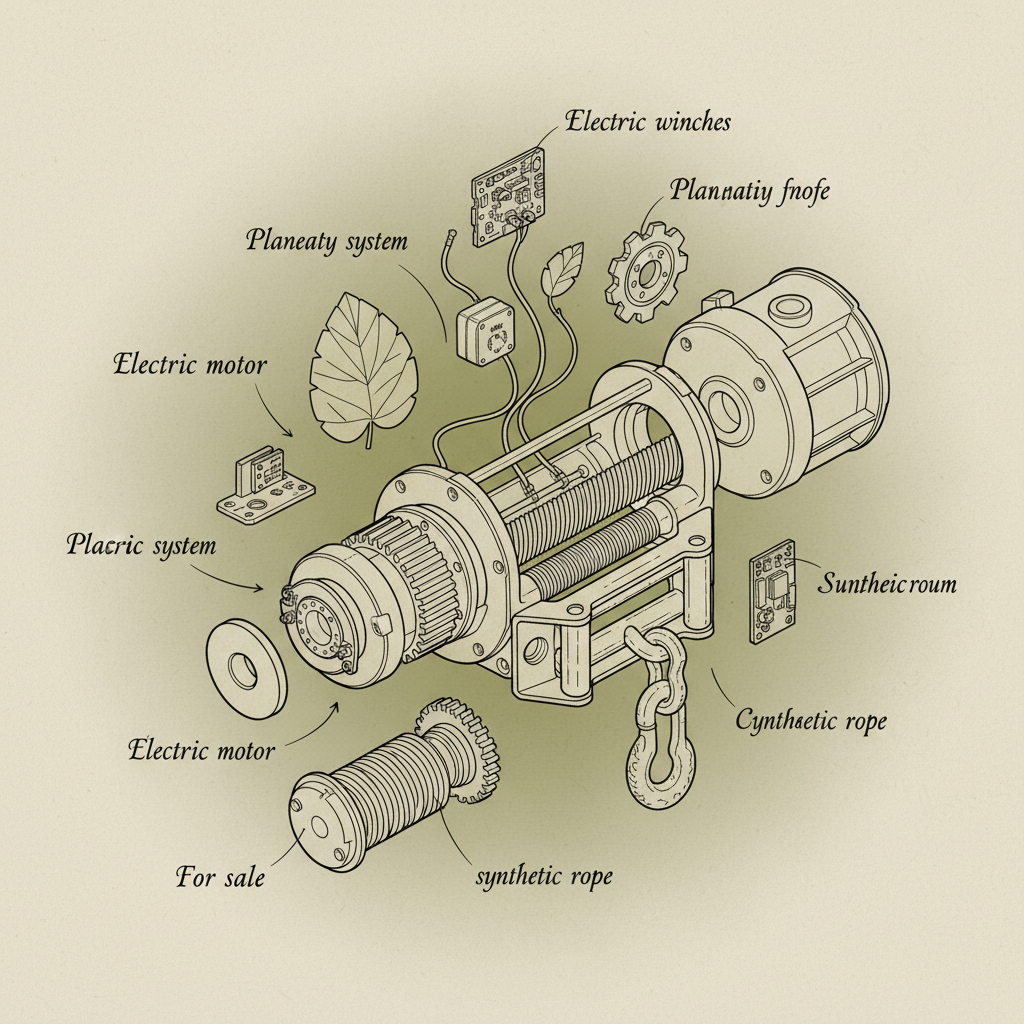
Bevel gear manufacturers specialize in the design and production of gears where the axes of the two shafts intersect, typically at a 90-degree angle. These components are critical for changing the direction of a drive, allowing power transmission across intersecting planes in complex mechanical systems. From automotive differentials to heavy industrial winches, the precision of these gears determines the overall efficiency and lifespan of the machinery.
In heavy-duty lifting and hoisting sectors, the integration of high-precision bevel gears is often the difference between smooth operational flow and catastrophic mechanical failure. Many engineers struggle with gear wear and misalignment, which leads to increased downtime and high maintenance costs. Selecting a manufacturer that balances material strength with geometric accuracy is essential for maintaining structural integrity under extreme loads.
This article provides a comprehensive technical analysis of how to evaluate bevel gear manufacturers, the critical specifications to consider for industrial applications, and how specialized gear systems enhance the performance of equipment like grooved winch drums. Readers will gain the insights necessary to optimize their procurement process and ensure long-term mechanical reliability.

1Understanding Bevel Gear Engineering

Bevel gears are engineered to transmit torque between intersecting shafts. Unlike spur gears, which operate on parallel shafts, bevel gears utilize conical shapes to ensure a smooth transition of power. Top-tier bevel gear manufacturers employ advanced CNC machining and grinding processes to ensure that the tooth profile minimizes friction and maximizes contact area, reducing the stress concentrations that typically lead to premature pitting or tooth breakage.
The geometry of these gears is divided into straight bevel gears and spiral bevel gears. Straight bevel gears are simpler to manufacture and suitable for lower speeds, whereas spiral bevel gears provide a smoother, quieter operation by allowing gradual tooth engagement. This makes spiral designs the preferred choice for high-torque industrial environments where noise reduction and load distribution are priorities.
From a manufacturing perspective, the heat treatment process is where quality is defined. Case hardening and induction hardening are used to create a hard, wear-resistant outer shell while maintaining a ductile core, allowing the gear to absorb shocks without fracturing—a necessity for equipment used in mining or offshore drilling.
2Core Technical Requirements for Industrial Gears
When auditing bevel gear manufacturers, the focus must be on their ability to maintain tight tolerances. Industrial applications require gears that can withstand constant cycling under heavy loads. Key technical parameters include the module, pressure angle, and the precise pitch cone angle. Any deviation in these specifications leads to inefficient power transfer and an increase in heat generation during operation.
Surface finish is another vital metric. A high-quality surface prevents the formation of microscopic cracks and reduces the coefficient of friction. Specialized manufacturers use honing and polishing techniques to ensure the gear teeth are smooth, which significantly extends the lubrication interval and reduces the overall operational cost for the end-user.
Furthermore, the integration of the gear into the housing must be considered. The ability of a manufacturer to provide integrated solutions—where the gear and the shaft are matched perfectly—prevents the common issue of "backlash," which can cause jerky movements in precision lifting equipment.
3Application in Hoisting and Lifting Systems
In the context of hoisting machinery, bevel gears are often paired with grooved drums to redirect vertical lift forces into horizontal drive inputs. For instance, in tower cranes or offshore platform winches, the gear system must translate the high torque of an electric or hydraulic motor into a stable rotational force for the drum. This ensures that the wire rope wraps smoothly and safely.
The LBS series of gear-driven systems demonstrates how integrating a reliable gear reducer with a grooved winch drum enhances operational safety. By optimizing the gear ratio through precise bevel gear design, manufacturers can ensure that the lifting structure handles heavy objects with minimal effort, preventing motor overload and ensuring a controlled descent.
Moreover, in automated operations, such as wall-wiping machines or specialized research ship winches, the precision of the gear drive allows for millimetric control of the rope. This level of accuracy is only possible when the gear manufacturer adheres to ISO9001 standards and utilizes CNC centers for production.
4Performance Metrics and Gear Efficiency
The efficiency of a bevel gear system is measured by its ability to transmit power with minimal energy loss. Energy loss typically occurs as heat due to friction. Advanced bevel gear manufacturers reduce this by optimizing the tooth profile and recommending specific synthetic lubricants that maintain a stable film between the teeth even under high pressure.
Comparing standard gear sets with those from precision manufacturers reveals a stark difference in vibration levels. Low vibration is a proxy for high accuracy; it indicates that the teeth are engaging perfectly without sliding or impacting, which in turn protects the bearings and shafts from premature failure.
bevel gear manufacturers Performance Metrics
As shown in the performance comparison, precision-manufactured bevel gears significantly outperform industry averages in load capacity and durability. This is primarily due to the use of alloy steel and superior machining operations, which allow the gear to handle higher torque loads without risking tooth deformation.
5Procurement Criteria for Gear Manufacturers
Selecting the right bevel gear manufacturer requires a look beyond the price tag. Procurement teams should evaluate the manufacturer's certification, such as ISO9001 or GJB9001C, which indicates a commitment to quality management and rigorous testing. A manufacturer's experience in military or marine applications is often a strong indicator of their ability to handle extreme specifications.
Customization capability is another key factor. Because every lifting system has different requirements—varying rope capacities from 10m to 1000m and different power sources—the ability to customize the gear ratio and the physical dimensions of the bevel gear is crucial for system compatibility.
Finally, post-sale technical support should be a deciding factor. Gear systems require periodic maintenance and troubleshooting. A manufacturer that provides 24/7 technical support and guidance on installation ensures that the equipment is set up correctly, avoiding the common pitfalls of misalignment during initial assembly.
6Innovations in Gear Material Science
The industry is shifting toward the use of advanced alloy steels and hybrid coatings to increase the lifecycle of bevel gears. Modern manufacturers are experimenting with plasma nitriding, a process that hardens the surface without distorting the gear's shape, unlike traditional heat treating which can cause slight warping.
Another innovation is the development of "quiet" bevel gears through the use of asymmetric tooth profiles. This reduces the impact noise during high-speed rotations, making them ideal for urban construction projects where noise ordinances are strict. These improvements are the result of collaborative innovation between manufacturers and research institutes.
The integration of sensors within the gear housing for real-time condition monitoring is also becoming more common. This allows operators to detect wear and tear before a failure occurs, moving from a reactive maintenance schedule to a predictive one, thereby increasing the overall availability of the machinery.
7Comparing Bevel Gear Types for Selection
Choosing between straight and spiral bevel gears depends entirely on the operational environment. Straight bevel gears are cost-effective and efficient for low-speed, low-load applications. However, for any system requiring high torque or quiet operation, spiral bevel gears are the only viable option due to their superior load distribution.
When comparing manufacturers, it is important to analyze how they handle the trade-off between cost and precision. Low-cost options often sacrifice the grinding phase of production, leading to higher noise and shorter lifespans. High-precision manufacturers invest in CNC grinding, which ensures the gear's longevity and efficiency.
| Gear Type | Best Use Case | Main Strength | Primary Limitation |
|---|---|---|---|
| Straight Bevel | Low-speed machinery | Low cost / Simple design | High noise / Low load |
| Spiral Bevel | Industrial Winches | Smooth / High torque | Expensive / Complex MFG |
| Zerol Bevel | General Purpose | Easy installation | Moderate efficiency |
| Hypoid Gear | Automotive Diffs | Highest torque density | Highest friction loss |
| CNC Ground | Precision Lifting | Extreme durability | Long lead times |
| Cast Alloy | Rough Construction | Shock resistance | Lower precision |
Ultimately, the selection should be based on the specific needs of the project. For those implementing high-tonnage stable rope arrangement cranes, prioritizing a manufacturer with expertise in alloy steel and CNC machining is the most effective way to ensure operational success.
Frequently Asked Questions
Conclusion
Selecting the right bevel gear manufacturers is a strategic decision that impacts the safety, efficiency, and longevity of any lifting or power transmission system. By focusing on precision CNC machining, high-grade alloy materials, and rigorous certification standards, companies can avoid the costly downtime associated with mechanical failure. Whether you are deploying equipment for offshore platforms or urban construction, the quality of the gear drive is the foundation of operational reliability.
For organizations evaluating high-performance gear solutions or specialized winch components, reviewing detailed technical specifications is the first step toward optimization. You can explore a wide range of industrial gear and winch drum options at www.lbswinch.com to find the right fit for your engineering requirements.