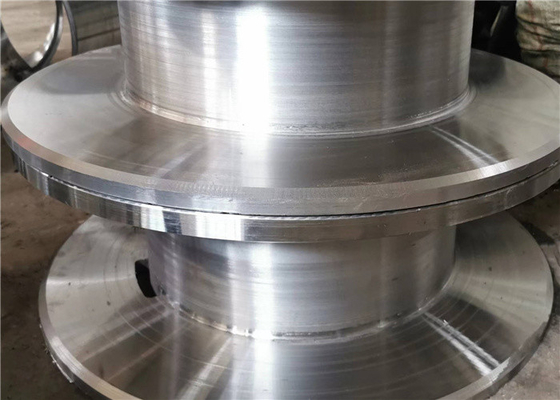
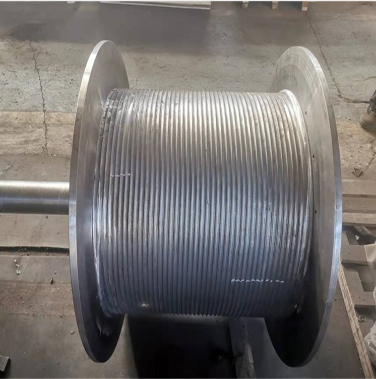
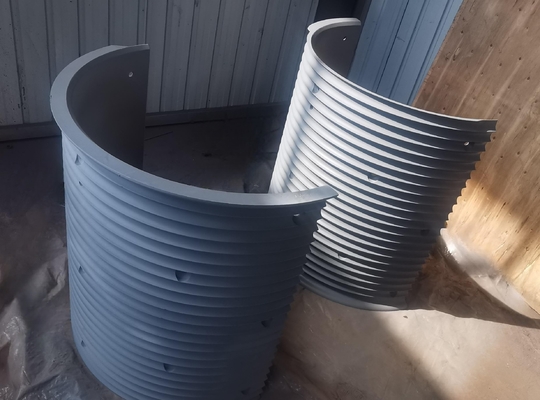
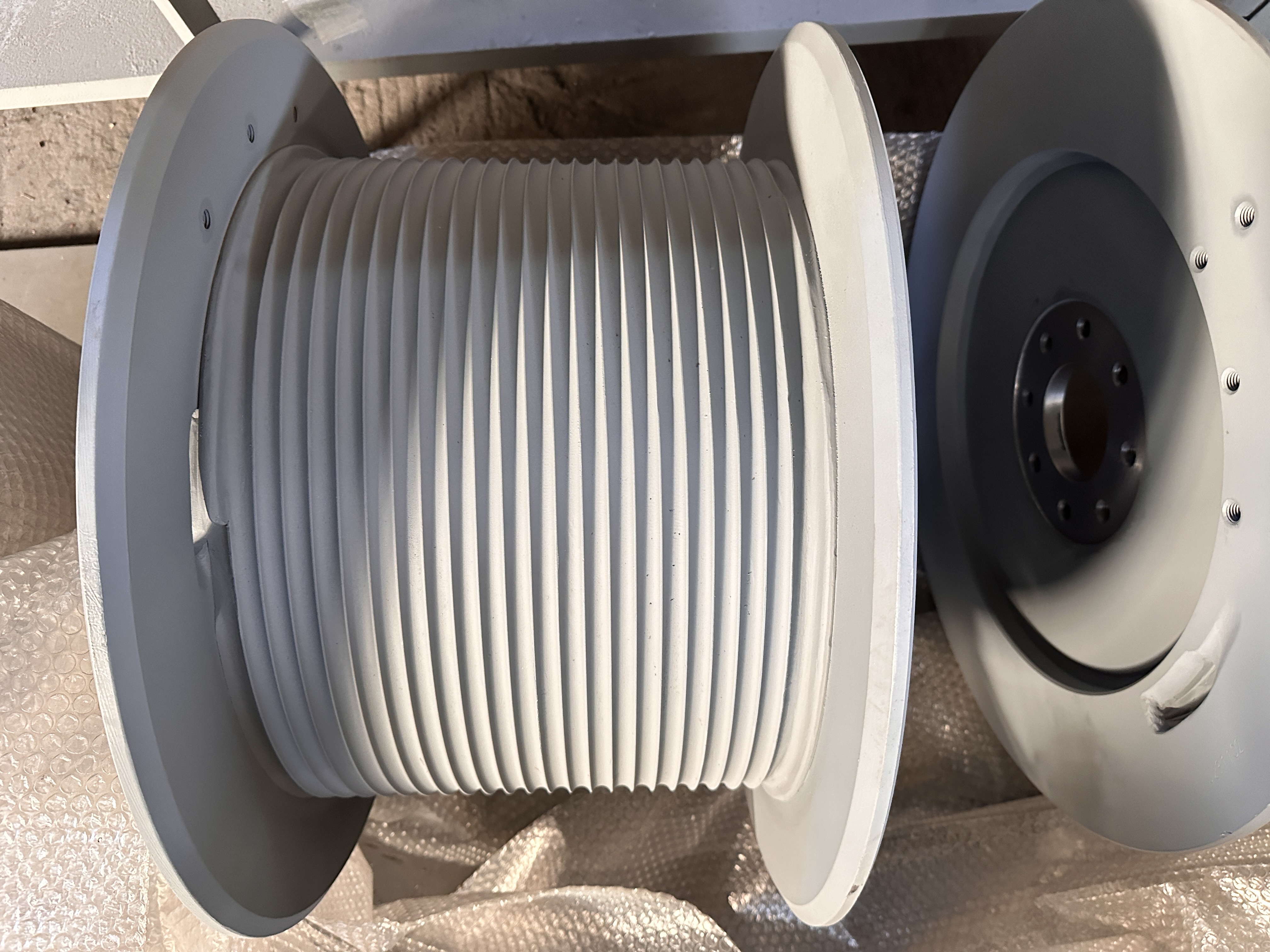
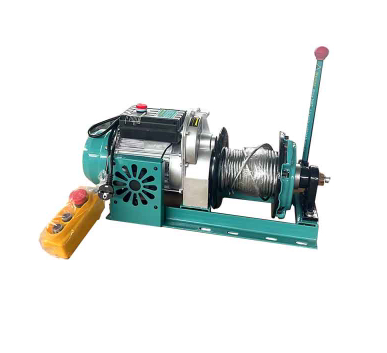
Industrial Lifting Solutions: High-Performance winch drum for Philippines

Engineering precision hoisting equipment designed to withstand the tropical humidity and rigorous industrial demands of the Philippine archipelago.

Industrial Lifting Solutions: High-Performance winch drum for Philippines

Providing heavy-duty hoisting and hauling technology tailored for the construction, mining, and maritime sectors across the Philippines, ensuring maximum safety and operational efficiency.

The State of Hoisting Equipment in the Philippines

Analyzing the challenges of lifting machinery in high-salinity and tropical environments.

The Philippines' geography, characterized by thousands of islands and a coastal-centric economy, places extreme stress on lifting hardware. The high humidity and salt-laden air accelerate the corrosion of a standard electric winch, demanding specialized coatings and superior material science to prevent premature structural failure.

In the bustling ports of Manila and Cebu, the reliance on an electric cable winch has grown as the nation upgrades its logistics infrastructure. However, many local operators still struggle with outdated equipment that lacks the precision and safety certifications required for modern high-rise construction and heavy industrial projects.

Furthermore, the mining sectors in Luzon and Mindanao require rugged gear that can handle abrasive dust and erratic power grids. The demand for high-grade aluminum bevel gears is increasing as companies seek to reduce the unsprung weight of their machinery while maintaining high torque transmission and durability.
Evolution of Lifting Technology in Asia-Pacific

From manual pulleys to intelligent automated hoisting systems.

Market Development History

Prior to the early 2000s, the Philippine lifting industry relied heavily on manual or hydraulic systems. The first major shift occurred between 2005 and 2012, when basic motorized winches were introduced to support the booming real estate market in Metro Manila, replacing slow mechanical lifts.

From 2013 to 2020, the focus shifted toward safety and standardization. The adoption of high-tensile crane winch rope became mandatory for industrial sites to comply with international safety standards, significantly reducing workplace accidents in the shipping and construction sectors.

Since 2021, the trend has evolved toward "Smart Lifting." Integration of Variable Frequency Drives (VFDs) and remote monitoring systems has allowed operators to control heavy loads with millimeter precision, reflecting a broader regional shift toward Industry 4.0.

Future Development Trends

Eco-Friendly Electric Integration

A move toward fully electric, zero-emission lifting systems to align with global sustainability goals and reduce local carbon footprints in urban areas.

Advanced Composite Materials

Integration of carbon-fiber reinforced components to replace traditional steel, reducing maintenance cycles and increasing the lifespan of equipment in humid climates.

IoT-Based Predictive Maintenance

Using sensors to monitor the wear and tear of critical components in real-time, allowing for the replacement of parts before a failure occurs.

Industry Trends & Future Outlook

Driving the next generation of lifting efficiency in the Philippines.

Precision Engineering
Increasing the adoption of high-tolerance components to ensure seamless operation of heavy machinery.
Corrosion Resistance
Development of maritime-grade coatings specifically for the salty air of the Philippine coastlines.
Energy Efficiency
Implementing low-energy motors and optimized gear ratios to reduce operational costs for local firms.
Smart Automation
Transitioning from manual control to PLC-driven hoisting for increased precision and site safety.

Industry Outlook

Based on regional search trends, there is a significant increase in demand for specialized lifting components that can withstand extreme weather. The Philippine market is moving away from generic imports toward customized solutions that offer longer warranties and local support.

We anticipate that the integration of AI-driven diagnostics will become standard in the next 3-5 years, allowing the hoisting industry to shift from reactive repairs to proactive optimization, drastically reducing downtime in critical infrastructure projects.

Localized Application Scenarios in the Philippines

Practical deployments of our lifting technology across diverse Philippine industries.

01. Port Logistics in Manila South Harbor

Using heavy-duty winches and reinforced cables to facilitate the rapid loading and unloading of shipping containers in high-salinity maritime environments.

02. Mining Operations in Surigao

Deployment of rugged electric winches for ore extraction, utilizing high-durability gear systems to resist abrasive dust and humidity.

03. High-Rise Construction in BGC

Implementing precision lifting systems and high-tensile ropes for the safe transport of structural steel and concrete in densely populated urban zones.

04. Offshore Oil and Gas Platforms

Installation of specialized marine winches with advanced corrosion protection for deep-sea maintenance and equipment deployment.

05. Agricultural Processing in Central Luzon

Utilizing light-to-medium duty hoisting systems for the movement of bulk agricultural products in processing plants.

Brand Story

Global Development Journey of Shijiazhuang Junzhong Machinery Manufacturing Co., Ltd.

Founding Excellence

Established with a commitment to precision, we began by solving basic hoisting challenges with robust engineering and high-quality steel.

Technological Breakthrough

We innovated our gear cutting process, introducing high-precision aluminum alloys to reduce friction and increase the efficiency of our winch systems.

Global Market Expansion

Expanding beyond borders, we adapted our products to meet the specific climatic and regulatory demands of the Asia-Pacific region.

Quality Certification

Achieving international ISO and safety certifications, ensuring that every piece of equipment leaving our factory meets global safety benchmarks.

Future Vision

Our mission is to redefine the hoisting industry by blending traditional durability with the intelligence of modern automation.

Common Questions for the Philippine Market

Expert answers to technical and operational queries regarding lifting equipment.

How to prevent corrosion on an electric winch in coastal areas of the Philippines?

We recommend using equipment with marine-grade epoxy coatings and regularly applying corrosion-inhibiting lubricants to the drum and gears.

What is the ideal replacement cycle for a crane winch rope in high-humidity environments?

In tropical climates, we suggest a detailed inspection every 3 months and replacement based on wear patterns, typically every 12-24 months depending on load frequency.

Can an electric cable winch handle erratic power supply in remote mining sites?

Yes, provided the system is paired with a voltage stabilizer or a VFD to protect the motor from power surges and drops.

What are the advantages of using aluminum bevel gears in lifting machinery?

They offer a superior strength-to-weight ratio, reducing the overall inertia of the system and lowering energy consumption during operation.

How do I choose the correct winch drum capacity for industrial use?

Calculation should be based on the maximum intended load, the required cable length, and the safety factor required by local Philippine building codes.

Are your lifting solutions compliant with international safety standards?

Absolutely. All our products undergo rigorous stress testing and comply with ISO and CE standards to ensure maximum site safety.

Ready to Upgrade Your Lifting Infrastructure?

Contact our engineering team today for customized hoisting solutions delivered across the Philippines.

Contact Us Now

If you are interested in our products, you can choose to leave your information here, and we will be in touch with you shortly.