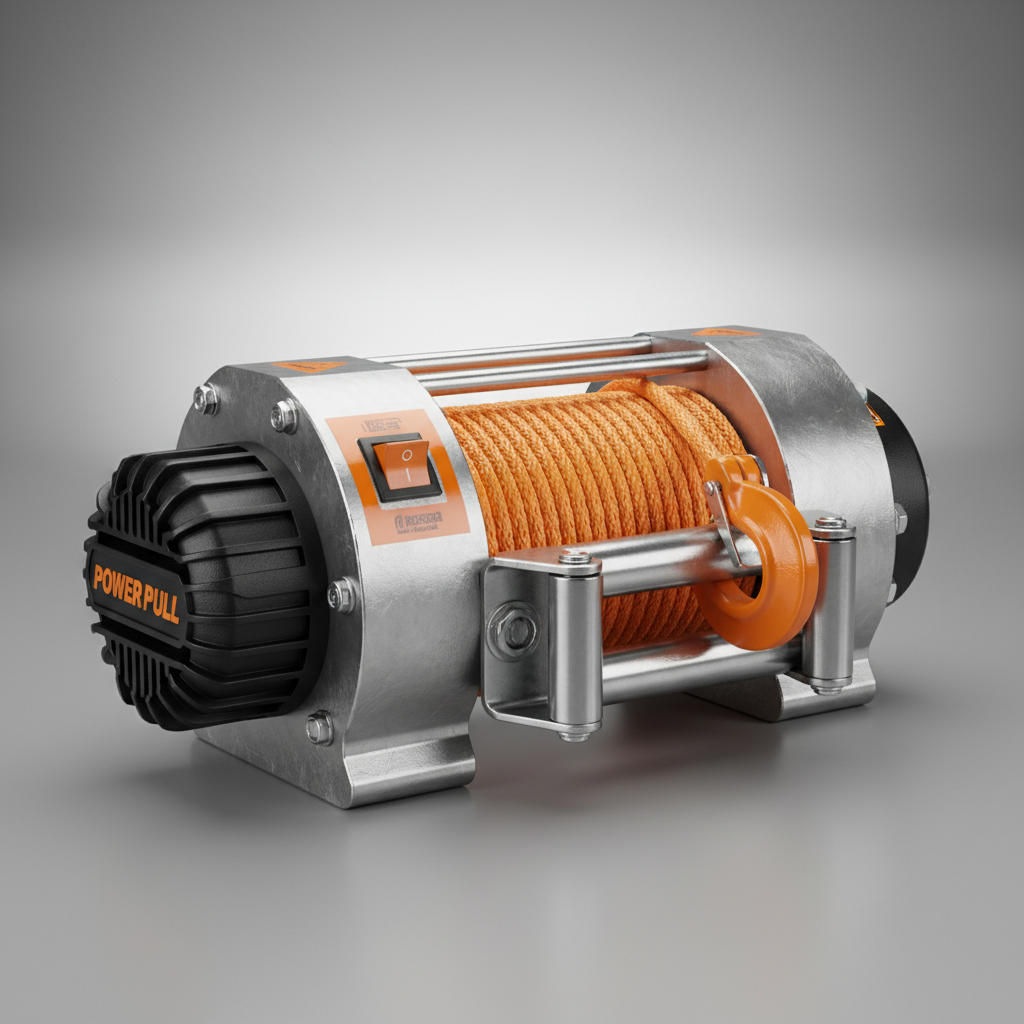
Sourcing a high-performance hydraulic winch china requires a deep understanding of the synergy between hydraulic power and mechanical durability. In the heavy-lifting and marine industries, the ability to manage immense loads with precision and safety is not just a requirement but a critical operational necessity for offshore platforms and mining sites.
Many procurement managers struggle with balancing load capacity, rope management, and environmental resistance. The challenge lies in finding equipment that maintains consistent torque and structural integrity under extreme temperatures and corrosive conditions, preventing costly downtime and safety hazards.
This professional analysis provides a framework for evaluating hydraulic winch specifications, exploring real-world applications in civil engineering and oil drilling, and outlining the technical criteria necessary to select a reliable lifting solution for industrial scale operations.

Core Engineering of Hydraulic Winch Systems

Hydraulic winches operate on the principle of fluid power, utilizing hydraulic motors to drive a gear reducer that rotates the winch drum. Unlike electric systems, hydraulic drives offer superior torque density and the ability to handle shock loads without the risk of electrical failure in wet or explosive environments. This makes them the standard for heavy-duty construction, mining, and marine logistics.
The structural integrity of these systems depends on high-grade alloy steel and precision machining. Components such as the flange, pressure plate, and rib plate must be engineered to withstand massive radial and axial forces during lifting and pulling operations, ensuring that the overall structure does not deform under peak tension.
Critical Technical Parameters for Selection
When specifying a hydraulic winch, the "LBSSPW" series provides a baseline for understanding necessary parameters. Key considerations include the rope capacity, which can range from 10 to 10,000 meters, and the rope diameter, typically between 3mm and 200mm. These variables directly determine the winch's suitability for deep-sea operations versus short-range industrial pulling.
Environmental tolerance is equally critical. Industrial winches must be rated for extreme ambient temperatures, often from -40℃ to +45℃, to ensure that hydraulic seals remain intact and the fluid viscosity does not compromise the motor's efficiency in Arctic or desert conditions. Customization of these parameters is often necessary to meet specific project safety certifications like ISO9001, CCS, ABS, or CE.
Industrial Applications and Implementation
The versatility of hydraulic winches allows them to be deployed across diverse sectors. In the energy sector, they are indispensable for oil workover drilling and offshore platform cranes where constant tension and high lifting power are required. In forestry and water conservancy, they facilitate the movement of heavy machinery and materials across uneven terrains.
Beyond simple lifting, these systems are integrated into modern automated operations. For instance, they serve as auxiliary equipment for wall wiping machines and helicopter motor winches, where precision control of the rope speed and position is paramount. This requires a seamless integration between the hydraulic pump, control valves, and the winch motor to ensure smooth acceleration and deceleration.
Operational Efficiency and Performance Index
Evaluating the performance of a hydraulic winch involves analyzing the relationship between power input and lifting efficiency. The following illustrative framework demonstrates the relative impact of different technical factors on the overall operational stability of the system.
As indicated in the conceptual performance index, material quality (alloy steel) and the precision of the CNC machining center significantly correlate with the long-term durability of the equipment. While power source capacity is essential for initial lift, the mechanical efficiency of the gear reducer determines the energy consumption and heat generation during continuous operation.
Rope Management and Drum Configuration
The method of rope winding significantly affects the lifespan of the wire rope and the safety of the operation. Smooth drums are common, but grooved winch drums (such as the Lebus type) prevent rope overlapping and crushing. This ensures a consistent layer-by-layer wind, reducing wear and tear on the rope and preventing sudden jumps in line pull during heavy loading.
Configuration options such as left-hand or right-hand winding directions must be matched to the surrounding lifting structure to avoid rope twisting. Furthermore, the use of specialized grooved sleeves can optimize the winding process for specific rope types, maximizing the available drum capacity without sacrificing structural stability.
Evaluating Supplier Technical Capabilities
A reliable supplier in the hoisting machinery industry is identified by their commitment to quality management systems and technical innovation. Certification from bodies like ISO9001 and GJB9001C (weapon equipment quality management) indicates a level of precision and traceability that is vital for military and high-risk civil applications.
Beyond certifications, the ability to provide 24/7 technical support and customized upgrades is a key differentiator. The integration of "production, use, and collaborative innovation" models—often involving partnerships with research institutes—allows manufacturers to solve complex technical problems, such as optimizing multi-layer winding for specialized cable retracting systems.
Procurement Decision Framework
When choosing between different hydraulic winch configurations, buyers should evaluate the specific demands of their environment against the capabilities of the equipment. The following table provides a qualitative comparison of common configuration approaches used in the industry.
| Configuration Type | Primary Strength | Best Application | Main Consideration |
|---|---|---|---|
| Smooth Drum | Simplicity & Cost | Light Industrial | Rope Overlap Risk |
| Lebus Grooved Drum | Precise Spooling | Offshore/Deep Sea | Higher Initial Cost |
| Alloy Steel Construction | High Load Bearing | Mining/Construction | Weight Distribution |
| Customized Hydraulic Drive | Optimized Torque | Specialized Machinery | System Integration |
| Modular Flange Design | Easy Maintenance | High-Cycle Use | Seal Integrity |
| Multi-layer Winding | Extreme Rope Length | Scientific Research | Complexity of Control |
The final decision should be based on a balance of the required rope capacity, the environmental conditions (temperature and corrosion), and the necessary safety certifications. Aligning these technical needs with a supplier's proven experience in similar fields is the most effective way to mitigate operational risk.
Frequently Asked Questions
Grooved drums, such as those using Lebus technology, ensure the rope is wound in a precise, organized manner. This prevents rope crushing, overlapping, and uneven tension, which significantly extends the lifespan of the wire rope and increases operational safety under heavy loads.
Extreme temperatures can alter hydraulic fluid viscosity and affect seal elasticity. High-quality winches are rated for ranges like -40℃ to +45℃, ensuring that the system remains leak-proof and the motor maintains consistent torque regardless of the external environment.
For marine and offshore applications, certifications from CCS (China Classification Society), ABS (American Bureau of Shipping), and CE are critical. These ensure the equipment meets international safety and durability standards for saltwater environments.
Yes, professional manufacturers can customize rope capacity (e.g., from 10m to 10,000m) and rope diameters (3mm to 200mm) to match the specific requirements of the lifting project and the physical constraints of the installation site.
Alloy steel is the preferred material due to its high tensile strength and resistance to deformation. These drums are typically processed using precision CNC machining to ensure the accuracy of the rope grooves and the stability of the rotating assembly.
Regular maintenance includes monitoring hydraulic fluid levels and quality, inspecting seals for leaks, lubricating the gear reducer, and checking the wire rope for fraying or deformation. Professional technical support is recommended for periodic system calibrations.
Conclusion
Selecting a hydraulic winch china involves more than comparing load capacities; it requires a technical alignment between the winch's mechanical architecture, the rope management system, and the environmental demands of the project. By focusing on certified materials, precision grooving, and comprehensive supplier support, operators can ensure maximum safety and operational efficiency in the most demanding industrial settings.
For organizations evaluating specific lifting requirements or seeking customized engineering solutions, detailed product specifications and technical consultations are available at www.lbswinch.com to ensure the chosen system matches the operational load and environmental constraints.