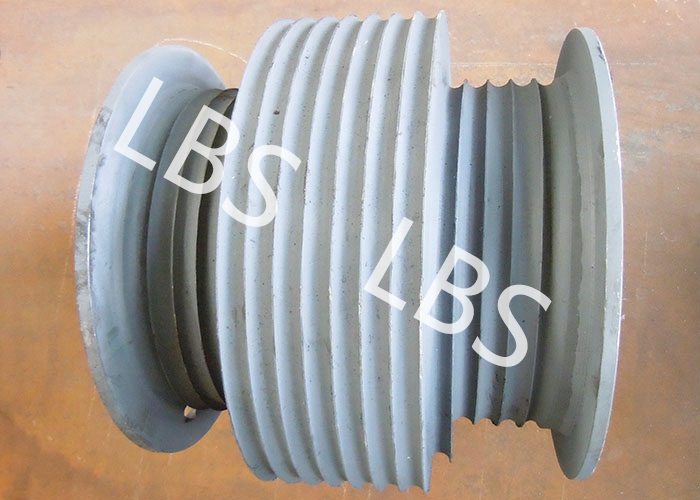
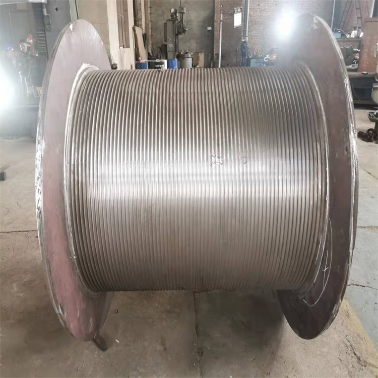
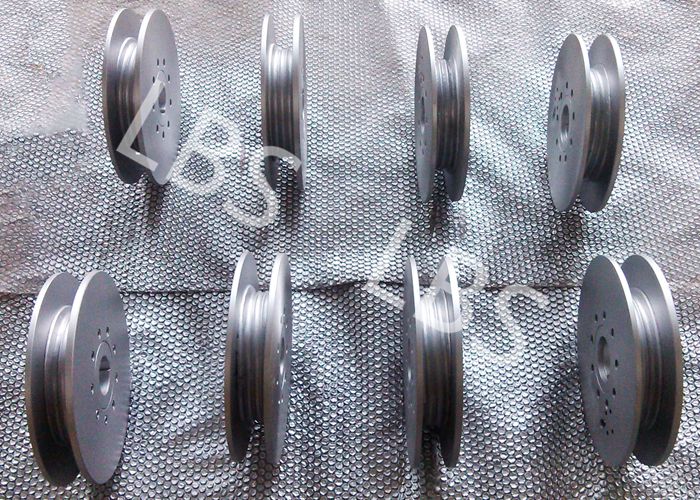
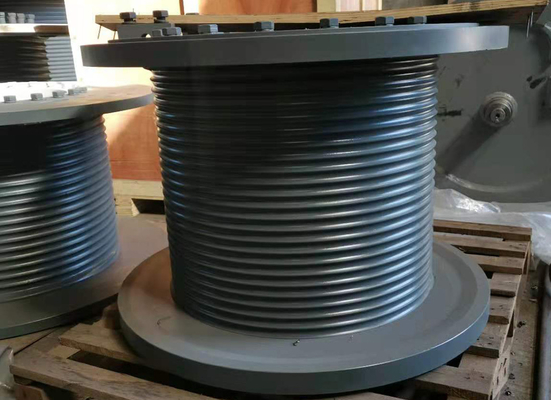
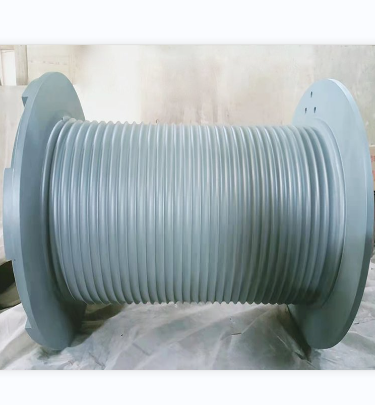
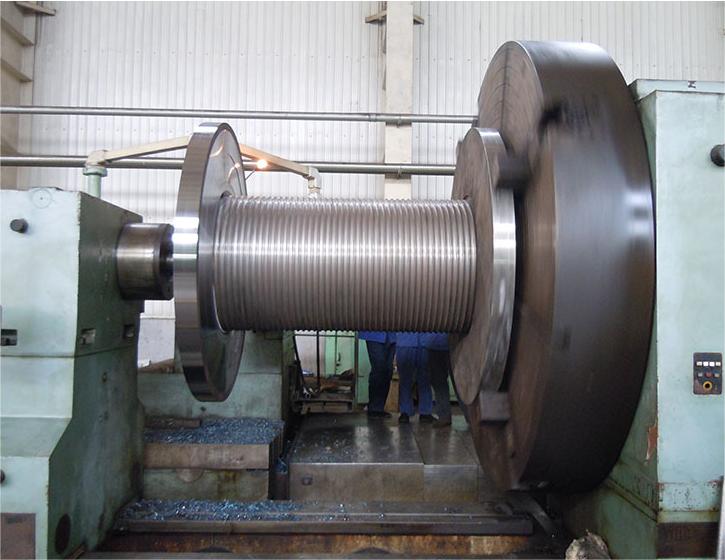
Advanced winch drum Engineering Solutions for Netherlands Marine & Industry

Precision-engineered lifting and hauling systems tailored for the demanding maritime and industrial landscapes of the Netherlands.

Advanced winch drum Engineering Solutions for Netherlands Marine & Industry

Providing high-performance lifting components including precision aluminum bevel gears and durable hoisting systems to optimize operational efficiency across Dutch ports and factories.

The Industrial Lifting Landscape in Netherlands

Analyzing the synergy between Dutch maritime infrastructure and hoisting technology.

The Netherlands, characterized by its extensive coastline and the strategic importance of the Port of Rotterdam, demands hoisting equipment that can withstand high humidity and saline environments. The reliance on an electric winch is paramount for efficient cargo handling and ship maintenance in these coastal hubs.

Economically, the Dutch manufacturing sector is shifting toward "Industry 4.0," where the integration of smart sensors into an electric cable winch allows for real-time load monitoring and predictive maintenance, reducing downtime in critical logistical chains.

Furthermore, the strict European safety standards (CE) and Dutch environmental regulations push the industry toward energy-efficient motors and lightweight, high-strength materials, making precision-cut gears essential for minimizing energy loss during heavy lifting operations.
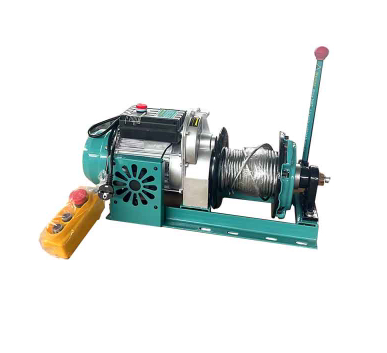
Evolution of Hoisting Technology in Europe

From manual mechanical systems to automated electric precision.

Market Development History

In the mid-20th century, the Dutch lifting industry relied heavily on steam and basic hydraulic systems. These early machines were robust but lacked the precision required for the complex modular construction seen in the 1970s.

By the 1990s, the transition to electric power became standard. This era saw the widespread adoption of the crane winch rope made of synthetic-core steel to improve safety and longevity in the damp North Sea climate.

Entering the 2010s, the focus shifted to material science. The introduction of specialized alloys and high-grade aluminum bevel gears allowed for lighter machinery without sacrificing torque, enabling more agile crane movements in tight urban spaces like Amsterdam.

Future Development Trends

Carbon-Neutral Electric Propulsion

Driven by the EU Green Deal, there is a surge in demand for fully electric systems that eliminate hydraulic leaks and reduce the carbon footprint of port operations.

IoT-Integrated Cable Monitoring

Future systems will incorporate embedded sensors within the cable to detect internal fraying before it becomes visible, shifting maintenance from reactive to proactive.

Advanced Lightweighting

The adoption of aerospace-grade aluminum and composite materials will continue to reduce the deadweight of lifting equipment, increasing the net payload capacity.

Future Trends and Strategic Outlook

Predicting the next 3-5 years of lifting equipment evolution in the Netherlands.

Smart Automation
Integration of AI to optimize hoisting speed and safety based on load weight.
Eco-Material Transition
Increased use of recyclable alloys to meet stringent Dutch circular economy goals.
Remote Tele-Operation
Shift towards remote-controlled winch operations to enhance worker safety in hazardous zones.
Predictive Diagnostics
Using vibration analysis to predict bearing failure in heavy-duty winch drums.

Industry Outlook

The convergence of digitalization and sustainability is redefining the Netherlands' lifting sector. We expect a significant rise in "as-a-service" models where equipment is monitored and maintained by the manufacturer remotely.

With Google search trends indicating a growing interest in "green lifting" and "autonomous port machinery," companies that integrate high-efficiency electrical components will dominate the market share in Northern Europe.

Localized Application Scenarios in Netherlands

Practical implementations of our hoisting solutions across various Dutch industries.

01. Rotterdam Port Logistics

Deployment of high-capacity electric cable winch systems for mooring and securing oversized cargo vessels in volatile weather conditions.

02. Offshore Wind Farm Maintenance

Utilizing corrosion-resistant hoisting gear and specialized ropes to transport turbine components in the North Sea's harsh saline environment.

03. Amsterdam Urban Construction

Implementing compact, low-noise electric winch units for precision lifting in narrow historical city centers where space is limited.

04. Dutch Water Management Infrastructure

Installing heavy-duty winch systems for the operation of floodgates and sluices, ensuring reliability during peak storm surges.

05. High-Tech Manufacturing Facilities

Integration of precision aluminum bevel gears in automated assembly line cranes for semiconductor equipment manufacturing.

Brand Story

Global Development Journey of Shijiazhuang Junzhong Machinery Manufacturing Co., Ltd.

Foundation of Excellence

Established with a mission to redefine industrial lifting, focusing on the core mechanics of torque and durability for heavy-duty applications.

Technological Breakthroughs

Invested heavily in R&D to develop high-precision gearing and drum winding technologies that exceed international safety standards.

Global Market Expansion

Successfully expanded into the European market, providing tailored solutions for the demanding maritime sectors of the Netherlands and Germany.

Sustainability Commitment

Pioneered the use of eco-friendly materials and energy-efficient motors to support the global transition to green manufacturing.

Future Vision

Aiming to integrate AI-driven diagnostics into every piece of equipment to ensure zero-accident workplaces worldwide.

Common Questions regarding Hoisting in Netherlands

Expert answers to technical and regulatory queries.

What is the best electric winch for marine environments in the Netherlands?

For Dutch marine environments, we recommend winches with IP67 ratings and stainless steel or galvanized coatings to prevent corrosion from salt spray.

How often should I replace the crane winch rope in high-humidity areas?

In the humid climate of the Netherlands, ropes should be inspected monthly and typically replaced every 2-3 years depending on load frequency and wear.

What are the advantages of using aluminum bevel gears in cranes?

They offer a superior strength-to-weight ratio, reducing the overall inertia of the system and increasing energy efficiency during start-stop cycles.

Can an electric cable winch be customized for specific voltage requirements in Europe?

Yes, all our systems can be configured for standard European 3-phase power (400V/50Hz) to ensure seamless integration with Dutch power grids.

How do I maintain a winch drum to prevent uneven winding?

Use a level-wind mechanism and ensure the cable is wound under a slight tension to prevent overlapping and crushing of the lower layers.

Are your lifting products compliant with CE and Dutch safety norms?

Absolutely. Our equipment is designed to meet and exceed EU Machinery Directives and local Dutch safety regulations for lifting equipment.

Get Expert Technical Support

Ready to optimize your lifting operations in the Netherlands? Our engineers are standing by to provide customized specifications.

Contact Us Now

If you are interested in our products, you can choose to leave your information here, and we will be in touch with you shortly.